
IAU Kamil Masters Admission Circular | iau.edu.bd
IAU Kamil Masters Admission Circular | iau.edu.bd IAU Kamil Masters Admission Circular 2022-23: Your Comprehensive Guide The Islamic Arabic University (IAU) has released the Kamil Masters Admission Circular for the academic session 2022-23. This is a golden opportunity for students seeking advanced education in Islamic studies. This guide provides detailed information on the admission process, requirements, application steps, and FAQs to help you successfully secure a seat in the program. Key Details of IAU Kamil Masters Admission Circular 2022-23 Important Dates Event Date Application Start 06 January 2025 Application Deadline 16 February 2025 Application Confirm Date 22 April 2025 Note: Check the official IAU website regularly for updates. Admission Requirements To apply for the IAU Kamil Masters program, you must meet the following criteria: Educational Qualifications: A Bachelor’s degree (Kamil Pass) from a recognized institution. Minimum GPA as specified in the circular. Documentation: SSC and HSC certificates and mark sheets. Kamil Pass certificate and transcripts. National ID card or birth certificate. Additional Requirements: Recent passport-sized photographs. Proof of payment of the application fee. How to Apply for IAU Kamil Masters Admission The application process is straightforward and fully online. Follow these steps: Step 1: Visit the Official Website Go to the Islamic Arabic University admission portal: iau.edu.bd. Step 2: Register an Account Click on the “Apply Now” button. Provide your basic details, including name, contact information, and academic credentials. Set a password for your account. Step 3: Complete the Application Form Log in with your credentials. Fill out the application form with accurate information. Upload required documents, including photographs and certificates. Step 4: Pay the Application Fee The application fee can be paid through bKash, Rocket, or Nagad. Save the transaction ID as proof of payment. Step 5: Submit the Application After completing the form and payment, click on the “Submit” button. Download and print the application confirmation page. Kamil Masters Admission official Circular Conclusion The IAU Kamil Masters Admission Circular 2022-23 offers an excellent opportunity for students to advance their education in Islamic studies. By following this guide, you can complete your application process smoothly and prepare effectively for the admission test. Stay connected with our blog for more updates, tips, and resources related to IAU admissions. Share this post with friends and family to help them navigate the process. Best of luck! Related Post
Bangladesh Agricultural University Admission Exam Result 2024-2025 | acas.edu.bd
Bangladesh Agricultural University Admission Exam Result 2024-2025 | acas.edu.bd Bangladesh Agricultural University Admission Exam Result 2024-25: A Complete Guide The Bangladesh Agricultural University (BAU) is a hub of excellence in agricultural education and research in Bangladesh. As part of the Agricultural Cluster Admission System, BAU attracts numerous applicants every year. If you have appeared for the admission test for the academic session 2024-25, this guide will help you navigate the result-checking process, understand the Agricultural Cluster Admission System, and plan your next steps effectively. Understanding the Agricultural Cluster Admission System The Agricultural Cluster Admission System was introduced to simplify the admission process for agricultural universities in Bangladesh. This system includes several institutions, including: Bangladesh Agricultural University (BAU) Sher-e-Bangla Agricultural University (SAU) Sylhet Agricultural University (SylAU) Chittagong Veterinary and Animal Sciences University (CVASU) Patuakhali Science and Technology University (PSTU) And others. All applicants sit for a unified admission test, and their results determine eligibility across the participating institutions. Key Features of the BAU Admission Exam Result 2024-25 The BAU admission result will include the following: Roll Number: Your unique identification number. Merit Position: Your rank among all candidates. Eligibility Status: Whether you are eligible for admission to BAU or other cluster universities. How to Check BAU Admission Exam Results Online The result-checking process is straightforward and fully online. Follow these steps: Step 1: Visit the Official Website Go to the official Agricultural Cluster Admission System website: acas.edu.bd Step 2: Log in with Your Credentials Enter your admission test roll number. Provide your HSC and SSC information (registration numbers and passing years). Step 3: Access Your Result Click on the “Result” tab. Your results for all participating universities, including BAU, will be displayed. Step 4: Download Your Result Download the result in PDF format for future reference. You can also print it for record-keeping. How to Download the Result from the Cluster Website Log in to the cluster admission portal: acas.edu.bd Navigate to the “Result” section. Select “Download Result” and choose the file format. Save the result on your device and take a printout if necessary. Important Dates Event Date Result Publication 29 October 2024 Seat Confirmation 04 December – 06 December 2024 Final Admission Date 09 December – 12 December 2024 Note: Always check the official website for updates. FAQs about BAU Admission Exam Result 2024-25 Q1: When will the BAU admission results be published? A: The results are expected to be published within a few weeks after the exam. Stay updated with the official website. Q2: Can I check the results offline? A: No, results are only available online through the official portal. Q3: What should I do if I’m facing login issues? A: Contact the admission office or email their technical support for assistance. Q4: Are there separate results for each university? A: No, the unified admission system displays results for all participating universities in a single platform. A: The results are expected to be published within a few weeks after the exam. Stay updated with the official website. A: No, results are only available online through the official portal. A: Contact the admission office or email their technical support for assistance. A: No, the unified admission system displays results for all participating universities in a single platform. Tips for Successful Admission 1. Confirm Your Seat Log in to the admission portal and confirm your seat within the stipulated time. Failure to do so may result in forfeiture. 2. Prepare Required Documents HSC and SSC certificates and mark sheets. Admission test admit card. Recent passport-sized photographs. 3. Attend Counseling (if applicable) Follow the instructions provided by the university for any counseling or further selection processes. Conclusion The Bangladesh Agricultural University Admission Exam Result 2024-25 is a significant milestone in your academic journey. By following this guide, you can easily check your results, understand the admission process, and take the next steps confidently. Stay connected with our blog for more updates, preparation tips, and resources related to university admissions. Share this post with friends and family to help them navigate their BAU admission process seamlessly. Best of luck with your academic pursuits! Related Post
Dhaka University Admission Circular 2024-2025 | admission.eis.du.ac.bd
Dhaka University Admission Circular 2024-2025 | admission.eis.du.ac.bd Dhaka University Admission Circular 2024-25: Your Complete Guide Dhaka University (DU), the oldest and most prestigious institution of higher education in Bangladesh, attracts thousands of aspiring students annually. The admission circular for the 2024-25 academic year has been released, and prospective students must act promptly to secure their spot. This blog post offers a detailed guide on the admission process, including how to apply, download the admit card, locate your exam center, and prepare effectively. DU Admission Circular 2025-26 Overview of Dhaka University Admission Circular 2024-25 The Dhaka University admission process is categorized by academic units, each catering to specific faculties and disciplines. Below is a breakdown of the units: Units and Faculties Unit A (Ka): Faculty of Science Unit B (Kha): Faculty of Arts and Social Sciences Unit C (Ga): Faculty of Business Studies Unit D (Gha): Combined faculties (Humanities, Science, Social Science, Business Studies) Unit E (Cha): Faculty of Fine Arts Each unit has distinct eligibility criteria, syllabus, and admission test formats, making it crucial to understand the specific requirements for your chosen field. Key Dates for Dhaka University Admission 2024-25 Event Date Application Start Date [Insert Date Here] Application Deadline [Insert Date Here] Admit Card Download [Insert Date Here] Exam Date [Insert Date Here] Result Publication [Insert Date Here] Stay updated by regularly checking the DU admission portal at admission.eis.du.ac.bd. How to Apply for Dhaka University Admission The application process for Dhaka University is entirely online. Here’s a step-by-step guide: Step 1: Visit the Official Website Navigate to the DU admission portal: admission.eis.du.ac.bd. Step 2: Register Provide your HSC and SSC roll numbers and registration details. Fill out the application form with accurate personal and academic information. Upload a recent passport-sized photograph and signature. Step 3: Select Your Unit Choose the appropriate unit(s) based on your eligibility and academic background. Step 4: Pay the Application Fee Make the payment through mobile banking platforms such as bKash, Rocket, or Nagad. Fees for each unit are as follows: Unit Application Fee A 1000 BDT B 1000 BDT C 1000 BDT D 1200 BDT E 1500 BDT Step 5: Submit Application Review all details before submitting your application. Upon successful submission, you’ll receive a confirmation email or SMS. How to Download Dhaka University Admit Card Once the application period ends, you’ll need to download your admit card. Follow these steps: Log in to the DU admission portal. Navigate to the “Admit Card” section. Download and print your admit card. Ensure all information on the admit card is accurate, as you’ll need it on exam day. Exam Centers and Instructions Dhaka University admission tests are held at designated centers on and around the DU campus. The exact venue details will be mentioned on your admit card. Key instructions include: Arrive at least 30 minutes before the exam starts. Bring your admit card, a valid ID (e.g., NID or student ID), and necessary stationery. Electronic devices such as calculators, mobile phones, and smartwatches are prohibited. Exam Preparation Tips Preparing for the DU admission test requires a focused and strategic approach. Here are some tips: Understand the Syllabus: Each unit’s syllabus is aligned with the HSC curriculum. Focus on core subjects relevant to your chosen unit. Practice Previous Questions: Solve past years’ question papers to understand the pattern and difficulty level. Time Management: Allocate specific times for each subject and stick to your schedule. Take Mock Tests: Simulate real exam conditions to build confidence and improve speed. Focus on Weak Areas: Identify and work on your weaknesses for better overall performance. Post-Test Procedures After taking the admission test, candidates should: Step 1: Check Results Results will be published on the DU admission portal. Log in with your credentials to view your result. Step 2: Seat Confirmation If you’re selected, confirm your seat by logging in to the portal and paying the confirmation fee. Step 3: Document Submission Submit the required documents, including: Original and attested copies of academic certificates Recent photographs Admit card Conclusion The Dhaka University admission circular for 2024-25 offers an incredible opportunity to join one of Bangladesh’s most esteemed institutions. By following this guide, you can navigate the process with confidence. For more tips and resources, explore our blog and related links. Best of luck with your application and preparation! Share this post with friends and family to help them in their DU admission journey. DU Admission Circular 2025-26 Top 10 Tips for Dhaka University Admission Preparation
HSC Exam Routine 2025 Download
HSC Exam Routine 2025 Download The Higher Secondary Certificate (HSC) examination is one of the most significant milestones for students in their academic journey. With the 2025 HSC exams just around the corner, students, parents, and educators alike are eagerly awaiting the release of the official exam routine. This blog post serves as a one-stop guide to everything you need to know about the HSC Exam Routine 2025, including how to download it, tips for preparation, and important details to keep in mind. Why the HSC Exam Routine is Crucial The HSC exam routine provides a detailed timetable of the examination dates, times, and subjects. It serves as a roadmap for students, helping them organize their study schedules and ensuring that they are well-prepared for each subject. Having access to the exam routine well in advance allows students to: Plan their study time effectively Identify gaps in preparation and address them Avoid last-minute stress Set realistic goals for exam readiness How to Download the HSC Exam Routine 2025 The official HSC Exam Routine 2025 is released by the respective education boards and can be accessed through their official websites. Here’s a step-by-step guide to downloading the routine: Visit the official website of your education board. For example: Dhaka Education Board: www.dhakaeducationboard.gov.bd Other boards include Rajshahi, Chittagong, Sylhet, and more. Navigate to the ‘Exam Routine’ section or check the latest notices. Click on the HSC Exam Routine 2025 link to view the document. Download the routine and save it to your device for future reference. Print a copy to keep it handy. Key Details of the HSC Exam Routine 2025 The routine typically includes the following information: Exam start and end dates Subject-wise schedule with date and time Exam duration Special instructions for students Here’s a placeholder photo for illustrative purposes: Ensure you download the routine from the official source to avoid any discrepancies. Benefits of Early Access to the Exam Routine Having the exam routine in advance offers several benefits: Efficient Time Management: Students can allocate time to subjects based on their strengths and weaknesses. Confidence Building: Knowing the schedule helps reduce anxiety and builds confidence. Parental Support: Parents can assist their children in creating an effective study plan. Exam Preparation Tips Preparing for the HSC exams requires a strategic approach. Here are some effective tips to help you excel: Understand the Syllabus: Ensure you are familiar with the complete syllabus and focus on high-weightage topics. Create a Study Plan: Allocate specific times for each subject and stick to your schedule. Practice Past Papers: Solve previous years’ question papers to understand the exam pattern and improve time management. Take Regular Breaks: Avoid burnout by taking short breaks between study sessions. Revise Thoroughly: Regular revision is key to retaining what you’ve learned. Stay Healthy: Maintain a balanced diet, exercise regularly, and get adequate sleep. Common Mistakes to Avoid While preparing for the HSC exams, students often make the following mistakes: Procrastinating: Delaying study sessions can lead to unnecessary stress. Overlooking Weak Areas: Ignoring subjects or topics you find difficult can be detrimental. Ignoring Guidelines: Not following the exam routine or instructions can cause confusion on exam day. Neglecting Health: Overstudying at the cost of sleep and nutrition can affect performance. Additional Resources for HSC Exam Preparation To supplement your preparation, consider the following resources: Online Tutorials: Platforms like YouTube and educational websites offer free tutorials. Study Groups: Collaborating with peers can provide new insights and solutions. Mobile Apps: Educational apps can help you practice and revise on the go. Important Notes Reach the exam hall at least 30 minutes before the scheduled time. Carry your admit card, necessary stationery, and other allowed items. Avoid bringing prohibited items like mobile phones or smartwatches. Follow the COVID-19 guidelines, if applicable, such as wearing masks and maintaining social distance. Final Thoughts The HSC Exam Routine 2025 is a vital document for students aiming to excel in their final examinations. By staying informed and organized, you can make the most of your preparation time and approach the exams with confidence. Remember to download the routine from the official website and start your preparations early. Best of luck! For more updates and resources, stay tuned to our blog. Feel free to share this post with your friends and classmates who might find it helpful. By extending your preparation and leveraging the resources mentioned, you can ensure a successful outcome in your HSC examinations. Stay motivated, stay focused, and give it your best shot!
SSC Exam Routine 2025 Download

SSC Exam Routine 2025 Download The Secondary School Certificate (SSC) examination is a significant milestone for students across Bangladesh. It sets the stage for future academic and career paths, making it one of the most anticipated and critical events in a student’s life. With the SSC Exam 2025 approaching, students, parents, and educators are eager to learn all the details about the exam routine and how best to prepare for it. In this comprehensive guide, we will provide all the essential information about the SSC Exam Routine 2025 in Bangladesh, along with tips for effective preparation and a photo illustrating the exam schedule. What is the SSC Exam? The SSC Exam, or Secondary School Certificate Examination, is a public examination conducted for students completing their secondary education in Bangladesh. Typically held in March or April, the exam is administered by the Board of Intermediate and Secondary Education (BISE) under the Ministry of Education. It evaluates a student’s knowledge and understanding of core subjects, including Bangla, English, Mathematics, Science, and Social Studies. SSC Exam Routine 2025 in Bangladesh: Key Highlights The SSC Exam Routine 2025 for Bangladesh follows a systematic pattern to ensure a smooth process for students across all boards. Below are some expected highlights: Tentative Schedule Exam Start Date: 10 April 2025 Exam End Date: 08 May 2025 Time Slots: Morning (10:00 AM – 1:00 PM) and Afternoon (2:00 PM – 5:00 PM) Practical Exams: 10 May – 18 May 2025 Note: This is a tentative schedule. The official routine will be announced by the Ministry of Education. How to Access the SSC Exam Routine 2025? To stay updated on the SSC Exam Routine 2025 in Bangladesh, follow these steps: Official Education Board Websites: Visit the official website of your respective education board. Examples include: www.dhakaeducationboard.gov.bd School Notifications: Your school will provide a printed or digital copy of the routine once it’s officially released. Local Newspapers: Leading newspapers often publish the exam routine for public reference. Educational Apps: Many apps and websites dedicated to student resources upload exam schedules. Preparing for SSC Exam 2025 in Bangladesh Preparation is key to excelling in the SSC examination. Here are some proven strategies tailored for Bangladeshi students: 1. Understand the Curriculum Thoroughly understand the SSC syllabus for each subject. Focus on the core topics and prioritize based on weightage in the exam. 2. Develop a Study Plan Divide your time effectively. A well-organized study schedule can help you manage your preparation: Morning: Study Mathematics and Science subjects. Afternoon: Revise Bangla and English. Evening: Practice writing answers for theory-based subjects. 3. Solve Past Papers Practice with previous years’ SSC question papers. This helps familiarize you with the exam format and improves time management skills. 4. Focus on Weak Areas Identify the subjects or topics you find challenging. Allocate more time to these areas and seek help from teachers or peers. 5. Take Regular Breaks Short breaks during study sessions improve concentration and reduce stress. Follow the Pomodoro technique (25 minutes of study followed by a 5-minute break). 6. Revise Thoroughly Dedicate the final weeks to revising all subjects. Summarize notes and focus on memorization techniques for theoretical subjects. Tips for Exam Day Reach Early: Arrive at the exam center at least 30 minutes before the start time. Carry Essentials: Admit card, pens, pencils, erasers, and other required items. Read Instructions Carefully: Spend a few minutes reading the question paper before answering. Stay Calm: Avoid last-minute cramming. Trust your preparation. How to download SSC (Secondary School Certificate) Routine for 2025 To download the SSC (Secondary School Certificate) Routine for 2025, follow these steps: 1. Check the Official Education Board Website Visit the official website of your respective education board. For instance, the Bangladesh Education Board’s website is www.educationboard.gov.bd. Navigate to the “Notice” or “Exam Routine” section to locate the SSC Routine for 2025. 2. Download From the Ministry of Education Website Access the Ministry of Education’s website (www.moedu.gov.bd). Look for updates under the “Exam Circular” section. 3. Search on Google Use search terms like “SSC Routine 2025 PDF Download” or “SSC Exam Schedule 2025.” Ensure the source is trustworthy, such as educational news portals or official board websites. 4. Social Media Updates Check official board pages on platforms like Facebook or Twitter, where updates are frequently posted. 5. Educational Apps or Portals Some apps and websites dedicated to education in Bangladesh may provide the routine as a downloadable PDF. Steps to Download: Click on the link to the SSC Routine provided on the website. Save the file: Right-click and select “Save as” or tap the download icon if viewing on mobile. Choose a destination folder and complete the download. Tips: Always verify the routine’s authenticity and cross-check dates. Print the routine or save it for offline reference. By following these steps, you’ll have the SSC Routine 2025 at your fingertips for easy exam preparation. See Your SSC Result Conclusion The SSC Exam 2025 is a crucial step for students in Bangladesh, requiring dedication and strategic preparation. By following the SSC Exam Routine 2025 and implementing the tips shared in this guide, students can approach their exams with confidence. Stay organized, stay motivated, and remember that hard work always pays off. For the latest updates on the SSC Exam Routine 2025, bookmark this page and share it with fellow students to help them prepare effectively for their SSC exams. Related Post
National University Honours Admission Circular 2024-2025
National University Honours Admission Circular 2024-2025 National University Honors Admission Circular 2025 The National University (NU) of Bangladesh has officially announced the Honors Admission Circular for the academic year 2025. This guide provides all the essential details for aspiring students, including the application process, eligibility criteria, test exam details, and frequently asked questions (FAQs). Overview of National University Honors Admission 2025 The National University of Bangladesh, a leading institution offering undergraduate and postgraduate programs, attracts thousands of students every year. The Honors Admission Circular 2025 outlines the opportunities available for students seeking to pursue an Honors degree in a variety of disciplines. Key Highlights of the Circular: Application Start Date: 21 January 2025 Application Deadline: 28 February 2025 Admission Test Date: 03 May 2025 Result Announcement: Date Announce Later Academic Session Begins: 2024-2025 Eligibility Criteria for Honors Admission Before applying, candidates must meet the following eligibility requirements: Educational Qualifications: Applicants must have passed the Higher Secondary Certificate (HSC) or equivalent examination in 2023 or 2024. A minimum GPA of 2.50 in both SSC and HSC (or equivalent) examinations is mandatory. Subject Requirements: Some programs may have specific subject prerequisites. For example, Science students may need to have studied Physics, Chemistry, and Biology for certain programs. Admission Guideline Download Click Here How to Apply for National University Honors Admission 2025 The application process is entirely online, making it accessible and efficient for all applicants. Follow these steps to complete your application: Visit the Official Website: Go to www.nu.ac.bd/admissions. Create an Account: Register using your HSC Roll Number, Board, and Year. Fill Out the Application Form: Provide personal information, academic details, and preferred subject choices. Upload Documents: Recent passport-sized photograph. Scanned copies of SSC and HSC certificates and mark sheets. Pay the Application Fee: The non-refundable application fee of 700 Tk must be paid through designated mobile banking or bank channels. Submit the Application: Review the form for accuracy and submit it. Print the confirmation receipt for future reference. Admission Circular Download Click Here Admission Test Details The admission process for National University Honors programs includes a test exam to evaluate candidates’ aptitude and knowledge. Here are the details: Test Format: Subjects Covered: Bangla, English, General Knowledge and Group Subject. Total Marks: 100. Duration: 1.00 hours. Question Type: Multiple-choice questions (MCQs). Test Schedule: Date: 03 May 2025 Time: 11 to 12 AM Venue: To be mentioned in the admit card. Preparation Tips: Focus on textbooks and past questions. Allocate study time effectively, emphasizing weaker subjects. Practice mock tests to improve time management. Merit List and Admission Process Once the admission test results are announced, a merit list will be published on the official website. Primary Merit List: Based on test scores and academic results. Selected candidates must confirm admission by paying the confirmation fee. Waiting List: If seats remain vacant, a waiting list will be published. Final Admission: Submit all original documents and admission fees to the respective college within the stipulated timeframe. Final Words The National University Honors Admission Circular 2025 opens doors to numerous academic opportunities. Ensure you adhere to deadlines, prepare diligently for the test exam, and stay updated by regularly checking the official website. Good luck with your application! For further assistance, leave your queries in the comments section below or contact the National University helpline at [Insert helpline number]. Related Post
Independent University, Bangladesh (IUB)
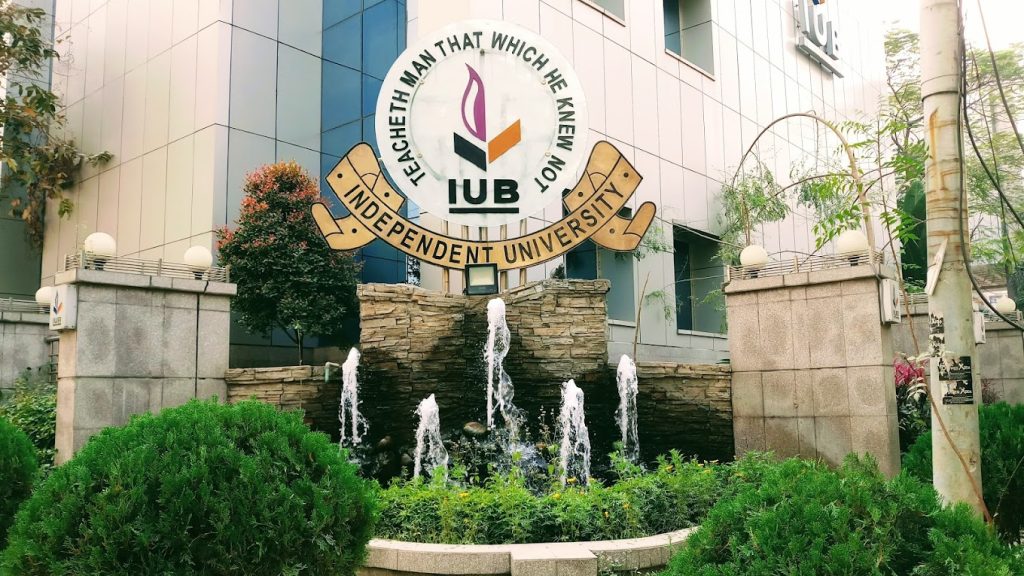
Independent University, Bangladesh (IUB) About Independent University, Bangladesh Independent University, Bangladesh (IUB), established in 1993, is one of the leading private universities in the country. Located in Dhaka, IUB is known for its commitment to academic excellence and fostering innovation. The university operates under a non-profit philosophy, emphasizing quality education, research, and community service. IUB offers a wide range of undergraduate, graduate, and doctoral programs across diverse disciplines, including business, engineering, computer science, environmental science, social sciences, and humanities. Its state-of-the-art campus features modern classrooms, advanced laboratories, and a well-equipped library, providing students with an enriched learning environment. The university prides itself on a highly qualified faculty, many of whom have international experience, and a robust research culture. IUB also encourages extracurricular engagement through various clubs and initiatives, fostering leadership and creativity. With a strong emphasis on global perspectives, IUB partners with renowned institutions worldwide, ensuring its graduates are well-prepared for the global stage. Basic Info Official Name – Independent University, Bangladesh Establish Year – 1993 Official Website Link – iub.ac.bd Official Facebook Link- Address – Independent University, Bangladesh, Plot 16, Block B, Aftabuddin Ahmed Road, Bashundhara Residential Area, Dhaka 1245, Bangladesh Independent University, Bangladesh Independent University, Bangladesh Faculties and Departments Here is a table outlining the faculties and departments at Independent University, Bangladesh (IUB): Faculty Departments School of Business and Entrepreneurship – Department of Accounting & Finance– Department of Management– Department of Marketing– Department of Human Resource Management School of Engineering, Technology and Sciences (SETS) – Department of Computer Science & Engineering (CSE)– Department of Electrical & Electronic Engineering (EEE)– Department of Physical Sciences School of Environmental Science and Management (SESM) – Department of Environmental Science– Department of Environmental Management– Department of Disaster Management School of Liberal Arts and Social Sciences (SLASS) – Department of Social Sciences– Department of Media & Communication– Department of English School of Life Sciences (SLS) – Department of Biochemistry and Biotechnology– Department of Microbiology– Department of Public Health This structure showcases IUB’s diverse academic offerings, designed to cater to various fields of interest and professional aspirations. Independent University, Bangladesh Courses, Duration and Fees Independent University, Bangladesh (IUB) offers a variety of undergraduate and graduate programs across multiple disciplines. Below is an overview of some of the programs, their typical durations, and associated fees: Undergraduate Programs: Program Duration Total Credits Tuition Fee per Credit Total Estimated Tuition Fee Bachelor of Business Administration (BBA) 4 years 125 credits Tk. 6,500 Tk. 812,500 B.Sc. in Computer Science & Engineering 4 years 143 credits Tk. 6,500 Tk. 929,500 Additional Fees: Admission Fee (Non-refundable): Tk. 25,000 Activity Fee: Tk. 8,000 (one-time) Graduate Programs: Program Duration Tuition Fee per Credit Other Fees Master of Business Administration (MBA) Varies Tk. 6,000 Admission Fee: Tk. 20,000; Activity Fee: Tk. 7,000 Note: The total number of credits required for graduate programs varies based on the specific program and any waivers or transfer credits. Additional Information: Admission Form Fee (Non-refundable): Tk. 1,000 Tuition Fee per Credit (Effective Summer 2024 onwards): Tk. 6,500 Please note that fees are subject to change, and it’s advisable to consult IUB’s official website or contact the admissions office for the most current information. Independent University, Bangladesh Admission Process Here is the admission process for Independent University, Bangladesh (IUB) in table format: Step Details 1. Application Submission Fill out the online application form available on the IUB website and pay the application fee (Tk. 1,000). 2. Submission of Documents Submit required documents, including: – Academic certificates and transcripts– Passport-sized photographs– Copy of National ID or Passport 3. Admission Test Appear for the IUB admission test, which evaluates candidates in English, Mathematics, and Analytical skills. Some programs may require additional subject-specific tests. 4. Result Announcement Check the admission test results on the official website or via email. Shortlisted candidates will be notified for the next steps. 5. Viva Voce (Interview) Attend the interview (if required), where academic potential and communication skills are assessed. 6. Admission Confirmation Pay the admission fee (Tk. 25,000) and complete enrollment formalities. 7. Orientation and Class Start Participate in the orientation program and begin classes as per the academic calendar. Additional Notes: Exemption from Admission Test: Candidates with outstanding academic records (e.g., high scores in HSC/A-Levels or equivalent) may be exempted from the test. Scholarships: Merit-based and need-based scholarships are available for eligible students. Always verify details on IUB’s official website or contact their admissions office for updates. University Campus Facilities Library Laboratories Hostel Computer Lab Auditorium Play Ground Medical Cultural Green Environment Transport Key Points University Admission FAQs University Admission Item #1 Table of Contents Related Post
Sunamganj Science and Technology University

Sunamganj Science and Technology University About Sunamganj Science and Technology University Sunamganj Science and Technology University (SSTU) is a public university located in Sunamganj, Bangladesh, established to advance higher education and research in science, technology, and innovation. Situated in the northeastern region of the country, SSTU is designed to address the growing need for skilled professionals in science and technology while fostering sustainable development in the region. The university offers undergraduate and postgraduate programs in a variety of disciplines, including engineering, information technology, natural sciences, and environmental studies. SSTU emphasizes a multidisciplinary approach, integrating theoretical knowledge with practical applications to prepare students for the challenges of the modern world. Equipped with state-of-the-art facilities, laboratories, and research centers, SSTU fosters an innovative learning environment. The university also collaborates with local industries and international institutions to enhance research and career opportunities for students. Through its commitment to excellence, SSTU is set to become a hub for academic and technological advancement. Basic Info Official Name – Sunamganj Science and Technology University Establish Year- 2020 Official Website Link – sstu.ac.bd Official Facebook Link- Address – Sunamganj, Bangladesh Sunamganj Science and Technology University Faculties and Departments Here is an overview of the faculties and departments at Sunamganj Science and Technology University (SSTU): Faculty Departments Faculty of Engineering – Department of Computer Science and Engineering (CSE) – Department of Electrical and Electronic Engineering (EEE) – Department of Civil Engineering (CE) – Department of Mechanical Engineering (ME) Faculty of Natural Sciences – Department of Mathematics – Department of Physics – Department of Chemistry – Department of Statistics Faculty of Life and Environmental Sciences – Department of Environmental Science and Technology – Department of Biotechnology – Department of Microbiology Faculty of Information Technology – Department of Software Engineering – Department of Information and Communication Technology (ICT) Faculty of Business Studies – Department of Business Administration – Department of Management Information Systems (MIS) Key Features: SSTU is focused on fostering interdisciplinary research across faculties to address real-world challenges. Each department is equipped with modern laboratories, research facilities, and industry-driven curricula. The faculties aim to support the regional economy by producing skilled professionals in high-demand sectors. For more information, refer to the official SSTU website or contact the university administration directly. Sungamganj Science and Technology University Courses, Duration and Fees Below is an overview of the courses, their duration, and estimated fees at Sunamganj Science and Technology University (SSTU): Undergraduate Programs Program Duration Estimated Fees (BDT) (per year) B.Sc. in Computer Science and Engineering (CSE) 4 years 40,000 – 50,000 B.Sc. in Electrical and Electronic Engineering (EEE) 4 years 40,000 – 50,000 B.Sc. in Civil Engineering (CE) 4 years 40,000 – 50,000 B.Sc. in Environmental Science and Technology 4 years 35,000 – 45,000 B.Sc. in Biotechnology 4 years 35,000 – 45,000 B.Sc. in Microbiology 4 years 35,000 – 45,000 B.Sc. in Information and Communication Technology (ICT) 4 years 40,000 – 50,000 BBA (Bachelor of Business Administration) 4 years 35,000 – 45,000 Postgraduate Programs Program Duration Estimated Fees (BDT) (per year) M.Sc. in Computer Science and Engineering (CSE) 1.5 – 2 years 50,000 – 60,000 M.Sc. in Environmental Science and Technology 1.5 – 2 years 45,000 – 55,000 M.Sc. in Biotechnology 1.5 – 2 years 45,000 – 55,000 MBA (Master of Business Administration) 1.5 – 2 years 40,000 – 50,000 Additional Costs Admission Fee: One-time payment of 10,000 – 20,000 BDT during enrollment. Hostel Fees: Annual costs ranging from 5,000 – 10,000 BDT depending on accommodation type. Lab Fees: For engineering and science programs, lab fees range between 5,000 – 15,000 BDT per year. Books and Supplies: Students should budget 5,000 – 8,000 BDT annually for study materials. Scholarship Opportunities Merit-Based Scholarships: Offered to academically excellent students. Need-Based Scholarships: Available for students from disadvantaged backgrounds. Collaborations with national and international organizations provide additional funding opportunities. For accurate and updated details, visit the official SSTU website or contact the university administration. Sunamganj Science and Technology University Admission Process Here is the admission process for Sunamganj Science and Technology University (SSTU): Admission Process Overview Step Details 1. Admission Circular SSTU publishes its admission circular annually on the official website and in newspapers. The circular includes information about available programs, eligibility criteria, and deadlines. 2. Eligibility Criteria – Undergraduate Programs: HSC or equivalent with a Science background and required GPAs (usually minimum 3.5 in both SSC and HSC). – Postgraduate Programs: A relevant bachelor’s degree with the specified CGPA. 3. Online Application Candidates must fill out the online application form on the SSTU admission portal, providing academic details, personal information, and uploading necessary documents. An application fee is required, typically 500 – 1,000 BDT. 4. Admission Test Applicants take an admission test that assesses proficiency in subjects like Mathematics, Physics, Chemistry, Biology, and General Knowledge, depending on the program. 5. Merit List Publication A merit list is published based on admission test scores and academic performance. Additional quotas (e.g., for underprivileged groups or regional preferences) may apply. 6. Document Verification Shortlisted candidates must verify their academic credentials, including mark sheets, certificates, and other necessary documents, at the university. 7. Final Admission Selected students must complete the enrollment process by paying admission fees and submitting required forms. Scholarships and financial aid options are available for eligible students. 8. Orientation & Start of Classes Once admitted, students attend an orientation session and begin their courses as per the academic calendar. Important Notes Application Portal: All applications must be submitted online through the university’s official admission system. Admission Test Format: The test includes multiple-choice questions and is specific to the chosen faculty or program. Quotas: Reserved seats may be available for students from disadvantaged regions, ethnic minorities, or other special categories. Hostel Accommodation: Students requiring on-campus housing should apply for hostels during the admission process. For the latest updates on the admission process, visit the official SSTU website or contact the university’s admission office directly. Sunamganj Science and Technology University Campus Facilities Library Laboratories Hostel Computer
Bangabandhu Sheikh Mujibur Rahman University, Kishoreganj
Bangabandhu Sheikh Mujibur Rahman University, Kishoreganj About Bangabandhu Sheikh Mujibur Rahman University Bangabandhu Sheikh Mujibur Rahman University (BSMRU) is a public university established in Kishoreganj, Bangladesh, with the mission of providing quality education and fostering innovation. Named after the Father of the Nation, Bangabandhu Sheikh Mujibur Rahman, the university aims to uphold his vision of education as a means for national development. BSMRU offers undergraduate and postgraduate programs in diverse disciplines, including science, engineering, humanities, business, and social sciences. The university emphasizes research and practical learning, preparing students to meet the demands of the modern workforce. Its campus is equipped with modern classrooms, advanced laboratories, and libraries to support an engaging learning environment. With a focus on community development and academic excellence, BSMRU promotes collaboration with industries and research organizations. The university is committed to shaping future leaders and professionals who will contribute to the socio-economic progress of Bangladesh and beyond. Basic Info Official Name – Bangabandhu Sheikh Mujibur Rahman University Establish Year- 2021 Official Website Link – bsmru.ac.bd Official Facebook Link- Address – Kishoreganj, Bangladesh Bangabandhu Sheikh Mujibur Rahman University Faculties and Departments Here is an overview of the faculties and departments at Bangabandhu Sheikh Mujibur Rahman University (BSMRU): Faculty Departments Faculty of Science – Department of Mathematics – Department of Physics – Department of Chemistry – Department of Statistics Faculty of Engineering and Technology – Department of Computer Science and Engineering (CSE) – Department of Electrical and Electronic Engineering (EEE) – Department of Civil Engineering – Department of Mechanical Engineering Faculty of Business Studies – Department of Business Administration – Department of Management Information Systems (MIS) Faculty of Social Sciences – Department of Sociology – Department of Public Administration – Department of Economics Faculty of Arts and Humanities – Department of English – Department of Bangla Note: The structure of faculties and departments may expand as the university grows. For accurate and updated information, visit the official BSMRU website or contact the university’s administration. Bangabandhu Sheikh Mujibur Rahman University Courses, Duration and Fees Below is an overview of the courses, duration, and estimated fees for programs at Bangabandhu Sheikh Mujibur Rahman University (BSMRU). As the university is growing, these details may vary, and it’s advisable to confirm with the university directly. Undergraduate Programs Program Duration Estimated Fees (BDT) (per year) B.Sc. in Computer Science and Engineering (CSE) 4 years 60,000 – 75,000 B.Sc. in Electrical and Electronic Engineering (EEE) 4 years 60,000 – 75,000 B.Sc. in Civil Engineering 4 years 60,000 – 75,000 B.Sc. in Mathematics 4 years 50,000 – 65,000 B.Sc. in Physics 4 years 50,000 – 65,000 B.Sc. in Chemistry 4 years 50,000 – 65,000 Bachelor of Business Administration (BBA) 4 years 50,000 – 60,000 B.A. in English 4 years 40,000 – 50,000 Postgraduate Programs Program Duration Estimated Fees (BDT) (per year) M.Sc. in Computer Science and Engineering (CSE) 1.5 – 2 years 70,000 – 80,000 M.Sc. in Physics 1.5 – 2 years 60,000 – 70,000 M.Sc. in Mathematics 1.5 – 2 years 60,000 – 70,000 M.Sc. in Chemistry 1.5 – 2 years 60,000 – 70,000 Master of Business Administration (MBA) 1.5 – 2 years 50,000 – 60,000 M.A. in English 1 – 2 years 40,000 – 50,000 Key Notes Admission Fees: A one-time admission fee of 10,000 – 20,000 BDT may be required. Hostel Fees: If applicable, annual hostel fees range between 10,000 – 20,000 BDT. Scholarships: Merit-based and need-based scholarships may be available for students. Additional Costs: Lab fees, exam fees, and library fees may apply depending on the program. For accurate and updated details, visit the official BSMRU website or contact their admission office. Bangabandhu Sheikh Mujibur Rahman University Admission Process Here is the admission process for Bangabandhu Sheikh Mujibur Rahman University (BSMRU) summarized in a table: Step Details 1. Admission Circular The university publishes an annual admission circular on its official website and national media. It includes available programs, eligibility criteria, and deadlines. 2. Eligibility Criteria – Undergraduate: HSC or equivalent with relevant subjects (e.g., Science for Engineering). Minimum GPA: Combined GPA of 8.0 in SSC and HSC, with no less than 3.5 in each. – Postgraduate: Relevant bachelor’s degree with a minimum CGPA as specified in the admission circular. 3. Application Submission Submit an online application through the university portal. Provide academic details, upload required documents (e.g., certificates, photographs), and pay the application fee online or via bank. 4. Admission Test – Undergraduate: Test typically includes subjects such as Physics, Chemistry, Mathematics/Biology, and English. – Postgraduate: Written test or interview based on the program requirements. 5. Merit List A merit list is published based on test scores and academic qualifications. Quotas (e.g., for freedom fighters’ families or minority groups) may be applied. 6. Document Verification Shortlisted candidates must present original academic certificates, national ID, and other required documents for verification. 7. Final Admission & Fees Pay admission and registration fees. Submit additional documents such as medical fitness certificates and passport-sized photographs. 8. Orientation & Classes Attend an orientation session to learn about university facilities, policies, and academic guidelines. Classes begin as per the academic calendar. For updated information, visit the official BSMRU website or contact the university’s admission office. BSMRU University Campus Facilities Library Laboratories Hostel Computer Lab Auditorium Play Ground Medical Cultural Green Environment Transport Key Points BSMRU University Admission FAQs BSMRU University Admission Table of Contents Related Post
Chittagong Medical University
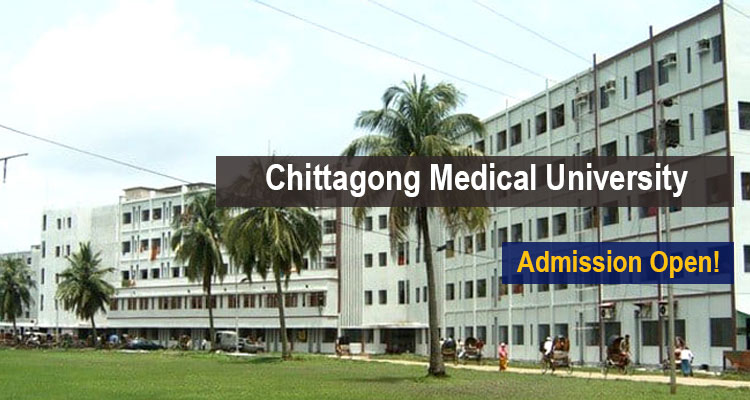
Chittagong Medical University About Chittagong Medical University Chittagong Medical University (CMU), established in 2019, is a public medical university located in the vibrant city of Chattogram, Bangladesh. It aims to provide high-quality education and training in medical sciences, producing skilled healthcare professionals to meet the needs of the country and beyond. CMU offers undergraduate and postgraduate programs in various medical disciplines, including MBBS (Bachelor of Medicine, Bachelor of Surgery), and advanced degrees in specialized fields like surgery, internal medicine, and pediatrics. The university is committed to fostering an environment of excellence in medical education, research, and healthcare service. It is equipped with modern facilities such as state-of-the-art laboratories, libraries, and hospitals, ensuring that students receive comprehensive training. Additionally, CMU encourages research in medical sciences and public health to address pressing issues in healthcare. With a focus on holistic education, Chittagong Medical University strives to become a leading institution for medical education and research in Bangladesh. Basic Info Official Name – Chittagong Medical Universtiy Establish Year- 2019 Official Website Link – www.cmu.edu.bd Official Facebook Link- Address- Dhaka – Chittagong Hwy, Salimpur, Chittagong, Bangladesh Chittagong Medical University Faculties and Departments Chittagong Medical University (CMU) offers a range of faculties and departments that focus on medical education, research, and healthcare services. Here is an overview of the faculties and departments: Faculty Departments Faculty of Medicine – Department of Anatomy – Department of Physiology – Department of Biochemistry – Department of Pharmacology – Department of Pathology – Department of Microbiology – Department of Community Medicine – Department of Forensic Medicine – Department of Medicine – Department of Surgery – Department of Obstetrics and Gynecology – Department of Pediatrics – Department of Radiology and Imaging – Department of Anesthesiology – Department of Orthopedics – Department of Ophthalmology – Department of Dermatology and Venereology – Department of Psychiatry Key Features: Comprehensive Medical Education: CMU offers a broad range of medical subjects to ensure a well-rounded education for its students. Clinical Training: The university is affiliated with hospitals for practical training, allowing students to gain hands-on experience in various medical fields. Research and Innovation: CMU places emphasis on research in medical sciences, encouraging students and faculty to contribute to advancements in healthcare. The university continues to expand its programs and departments to meet the evolving needs of the healthcare sector in Bangladesh. For more details, visit the CMU website. Chittagong Medical University Courses, Duration and Fees Here is an overview of the courses, duration, and fees at Chittagong Medical University (CMU): Undergraduate Programs (MBBS) Program Duration Approx. Fees (BDT) MBBS (Bachelor of Medicine, Bachelor of Surgery) 5 years + 1-year internship 80,000 – 120,000/year Postgraduate Programs Chittagong Medical University offers various postgraduate programs in medical specialties. These programs typically follow a 2 to 4-year duration and include advanced training in fields such as: Program Duration Approx. Fees (BDT) MD/MS (Doctor of Medicine/Surgery) 3-4 years 200,000 – 500,000/year MPhil in Medical Sciences 2 years 150,000 – 300,000/year Diploma in Medical Specialties 2 years 100,000 – 250,000/year Key Notes: Tuition Fees: Fees vary based on the program and the student’s residency status. Postgraduate program fees may be higher due to specialization costs. Additional Fees: Students may incur extra costs for hospital training, exams, and practical/laboratory materials. Scholarships: Scholarships may be available for meritorious and financially disadvantaged students. Hostel Fees: Accommodation costs range from 5,000 – 10,000 BDT/month, depending on the facilities. Facilities: Teaching Hospital: CMU has affiliated teaching hospitals to provide hands-on clinical experience. Library and Laboratories: Well-equipped with medical textbooks, journals, and research tools. For updated and detailed fee structures, refer to the official CMU website or contact the admissions office. Chittagong Medical University Admission Process Here is the admission process for Chittagong Medical University (CMU): Undergraduate Admission (MBBS) Step Details 1. Admission Circular – CMU publishes an admission notice for MBBS programs annually after HSC results are released. – The notice is available on the CMU website and in national newspapers. 2. Eligibility Criteria – Educational Requirements: – Must have completed HSC or equivalent in Science with Biology, Chemistry, and Physics. – Minimum GPA of 9.0 (combined SSC and HSC) is required. – Specific subject marks may be necessary. 3. Online Application – Apply through the CMU admission portal by filling in personal and academic details. – Upload required documents, such as SSC and HSC certificates, photographs, and National ID/Birth Certificate. 4. Application Fee Payment – Pay a non-refundable application fee (usually BDT 1,000 to 2,000) through designated banking or mobile payment systems. 5. Admission Test – Admission is based on an entrance exam (written test). – The test generally includes subjects like Physics, Chemistry, Biology, and English. 6. Result Publication – Merit list is published on the CMU website after the entrance exam. – Successful candidates are shortlisted for counseling. 7. Counseling and Seat Selection – Selected candidates will attend counseling sessions to finalize their program and department choice. 8. Document Verification – Bring original documents for verification during counseling: – SSC and HSC mark sheets, certificates. – Passport-size photographs, National ID/Birth Certificate. 9. Final Admission – Pay the admission fee and confirm enrollment after document verification. 10. Orientation and Classes – Orientation programs for new students, followed by the commencement of classes. Postgraduate Admission (MD/MS) Postgraduate programs at CMU (e.g., MD, MS) also follow a structured admission process: Eligibility: Candidates must have an MBBS degree from a recognized institution and meet the program’s specific entry requirements. Application: Apply online through the CMU postgraduate admission portal. Admission Test: Postgraduate candidates are usually required to take a written exam and attend an interview. Final Selection: Based on the exam performance and interview, candidates are selected for the desired program. Quota System CMU reserves seats under various quotas, including: Freedom Fighter Quota Indigenous (Tribal) Quota Physically Challenged Quota Applicants must provide valid documentation to avail of these quotas. Important Notes: Merit-Based Admission: Admission is highly competitive, especially for the MBBS