
Islamic Arabic University – Admission, Result, Notice, Fee & Facilities
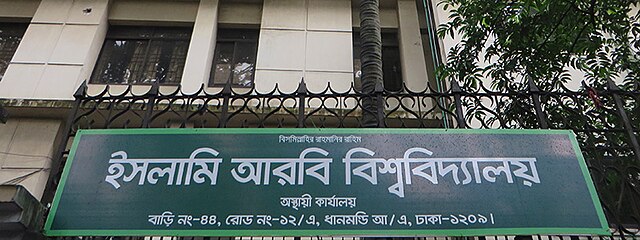
Islamic Arabic University Table of Contents Related Post Islamic Arabic University About Islamic Arabic University (IAU), established in 2013 and headquartered in Dhaka, Bangladesh, serves as the governing body for Fazil (Bachelor’s) and Kamil (Master’s) degree programs offered by Alia Madrasahs across the country. The university is dedicated to promoting Islamic studies, Arabic language, and traditional religious education while integrating modern academic practices. IAU aims to enhance the quality of education in Alia Madrasahs by standardizing curricula and assessment methods, ensuring graduates are well-prepared for both religious and contemporary societal roles. The university also emphasizes research in Islamic and Arabic studies, fostering a deeper understanding of Islamic heritage, culture, and values. By bridging traditional Islamic education with modern advancements, IAU is shaping a generation equipped with knowledge and skills to contribute meaningfully to society. With a focus on excellence and inclusivity, the university remains a cornerstone of Islamic education in Bangladesh. Basic Info Official Name – Islamic Arabic University Establish Year- 2013 Official Website Link – iau.edu.bd Official Facebook Link- Address- Permanent campus, Islamic Arabic University, 124/22, Block-A, Road no-3, West Dhanmondi, Basila, Mohammadpur, Dhaka-1207 Islamic Arabic University Faculties, Departments, Courses, Duration, and Fees Islamic Arabic University (IAU), headquartered in Dhaka, oversees Fazil (Bachelor’s) and Kamil (Master’s) degree programs provided by Alia Madrasahs across Bangladesh. Below is an overview of the university’s academic structure: 1. Faculties and Departments Islamic Arabic University focuses on traditional Islamic education with modern academic integration. The key areas of study include: Faculty Departments/Fields Faculty of Islamic Studies Quranic Studies, Hadith Studies, Islamic Jurisprudence (Fiqh), Islamic History Faculty of Arabic Language Arabic Grammar, Arabic Literature, Rhetoric, Translation Studies Faculty of Humanities and Social Sciences Islamic Philosophy, Comparative Religion, Ethics Faculty of Modern Subjects English Language, Bangla, Computer Applications, Economics 2. Courses Offered Undergraduate Programs (Fazil) Equivalent to a Bachelor’s degree. Core Subjects: Quran, Hadith, Fiqh, Arabic, and modern subjects like English and Computer Studies. Duration: 3 years. Postgraduate Programs (Kamil) Equivalent to a Master’s degree. Specialized Fields: Islamic Studies, Arabic Language, Islamic Law (Shariah), and Islamic History. Duration: 2 years. 3. Course Duration and Fees Program Duration Approximate Fees (BDT) Fazil (Bachelor’s) 3 years 3,000–5,000 per year (varies by Madrasah) Kamil (Master’s) 2 years 4,000–6,000 per year (varies by Madrasah) Note: Fees are affordable and vary depending on the affiliated Madrasah. Government scholarships may be available for eligible students. 4. Key Features of IAU Programs Curriculum: Combines Islamic education with modern subjects to ensure students are equipped for contemporary challenges. Research: Emphasis on Quranic and Hadith research, Islamic jurisprudence, and interdisciplinary studies. Inclusivity: Focus on serving diverse communities while preserving Islamic values. For further details about admission and specific program offerings, visit the Islamic Arabic University website. Islamic Arabic University Admission Process Islamic Arabic University (IAU) manages admissions for Fazil (Bachelor’s) and Kamil (Master’s) degree programs across its affiliated Alia Madrasahs. The process ensures access to quality Islamic and modern education. Below is an overview of the admission process: 1. Eligibility Criteria Fazil (Bachelor’s) Program Must have completed Dakhil (SSC equivalent) and Alim (HSC equivalent) from a recognized Alia Madrasah or similar institution. Minimum GPA requirements in SSC and HSC levels (if specified by the Madrasah or IAU). Kamil (Master’s) Program Must hold a Fazil degree or equivalent from a recognized institution. Specific departments may require additional qualifications based on the program’s focus. 2. Admission Steps Step 1: Application Submission Collect the admission form from the desired affiliated Alia Madrasah or download it (if available online). Complete the form with accurate personal, academic, and contact information. Attach required documents, such as previous academic certificates, transcripts, and photographs. Step 2: Fee Payment Pay the application fee to the respective Alia Madrasah as specified in their admission notice. Retain the payment receipt for future reference. Step 3: Admission Test (if applicable) Some Madrasahs may conduct an entrance exam to assess knowledge in core subjects like Quran, Hadith, Fiqh, and Arabic. Results are evaluated alongside previous academic performance. Step 4: Merit List and Selection Affiliated Madrasahs publish a merit list based on academic qualifications and test performance. Shortlisted candidates are informed through notices or direct communication. Step 5: Final Enrollment Selected candidates must submit original documents for verification. Pay the initial admission fee to confirm enrollment. 3. Required Documents Photocopies of Dakhil, Alim, or Fazil certificates and transcripts. National ID card or birth certificate. Recent passport-sized photographs. Application fee payment receipt. 4. Key Dates Application Period: Typically begins after the national academic results (HSC/Fazil) are published. Admission Deadline: Varies by Madrasah; announcements are made through notices or the IAU website. 5. Additional Information Affordable Fees: Tuition fees are low, ensuring accessibility for students from diverse backgrounds. Scholarships: Merit-based and need-based scholarships are available for eligible students. Online Information: Updates and details can be found on the official IAU website or at the affiliated Madrasahs. The admission process reflects IAU’s commitment to providing inclusive, high-quality education, combining Islamic heritage with modern learning opportunities. Islamic Arabic University Campus Facilities Library Laboratories Hostel Computer Lab Auditorium Play Ground Medical Cultural Green Environment Transport Key Points Islamic Arabic University Admission FAQs Islamic Arabic University Admission
Bangladesh University of Professionals (BUP)

Bangladesh University of Professionals (BUP) About Bangladesh University of Professionals (BUP) Bangladesh University of Professionals (BUP) is a public research university in Dhaka, Bangladesh, established in 2008 under the Ministry of Defence. It is designed to cater primarily to the educational needs of the armed forces personnel, their families, and civilians. BUP offers a wide range of undergraduate and postgraduate programs in various disciplines, including business, social sciences, engineering, science, law, and security studies. The university aims to provide high-quality education and foster leadership and professionalism among its students. It has a strong emphasis on research, innovation, and character development. The BUP campus is well-equipped with modern facilities, including libraries, laboratories, sports complexes, and student hostels. The university’s goal is to produce skilled and disciplined professionals who can contribute to national development and global progress. BUP’s unique combination of military discipline and academic excellence has made it a leading institution in Bangladesh. Basic Info Official Name – Bangladesh University of Professionals Establish Year- 2008 Official Website Link – bup.edu.bd Official Facebook Link- Address- Mirpur Cantonment, Dhaka-1216, Bangladesh Bangladesh University of Professionals Faculties and Departments Here is a table outlining the faculties and departments at Bangladesh University of Professionals (BUP): Faculty Departments Faculty of Arts and Social Sciences – Department of Law – Department of Economics – Department of Political Science – Department of Sociology – Department of Psychology – Department of Public Administration – Department of International Relations Faculty of Business Studies – Department of Business Administration – Department of Accounting and Information Systems – Department of Finance and Banking – Department of Marketing – Department of Management Faculty of Security and Strategic Studies – Department of Peace and Conflict Studies – Department of Strategic Studies – Department of Disaster and Human Security Faculty of Science and Engineering – Department of Computer Science and Engineering – Department of Electrical and Electronic Engineering – Department of Mechanical Engineering – Department of Civil Engineering – Department of Aerospace Engineering Faculty of Medical and Health Sciences – Department of Biomedical Science – Department of Public Health Faculty of Security and Strategic Studies – Department of Law Enforcement and Criminal Justice Faculty of Liberal Arts – Department of English – Department of History – Department of Philosophy This table provides an overview of the faculties and departments at Bangladesh University of Professionals (BUP). The university offers various programs, particularly focusing on the intersection of education, defense, and professionalism. For more specific details on each program, it is recommended to visit the official website or contact the university directly. BUP Admission Circular 2025-2026 Click here Bangladesh University of Professionals Courses, Duration and Fees Here is an overview of the courses, duration, and fees at Bangladesh University of Professionals (BUP): Undergraduate Programs Faculty Programs Duration Fees (Approx.) Faculty of Business Studies BBA (Bachelor of Business Administration) 4 years BDT 60,000 – 80,000/year B.Sc. in Accounting and Information Systems 4 years BDT 60,000 – 80,000/year BBA in Marketing 4 years BDT 60,000 – 80,000/year BBA in Finance and Banking 4 years BDT 60,000 – 80,000/year Faculty of Arts and Social Sciences BA in Political Science 4 years BDT 30,000 – 45,000/year BA in Sociology 4 years BDT 30,000 – 45,000/year BA in Economics 4 years BDT 30,000 – 45,000/year BA in Psychology 4 years BDT 30,000 – 45,000/year Faculty of Science and Engineering B.Sc. in Computer Science and Engineering 4 years BDT 70,000 – 100,000/year B.Sc. in Electrical and Electronic Engineering 4 years BDT 70,000 – 100,000/year B.Sc. in Mechanical Engineering 4 years BDT 70,000 – 100,000/year B.Sc. in Civil Engineering 4 years BDT 70,000 – 100,000/year B.Sc. in Aerospace Engineering 4 years BDT 70,000 – 100,000/year Faculty of Security and Strategic Studies B.A. in Peace and Conflict Studies 4 years BDT 30,000 – 45,000/year B.A. in Strategic Studies 4 years BDT 30,000 – 45,000/year B.A. in Disaster and Human Security 4 years BDT 30,000 – 45,000/year Postgraduate Programs Faculty Programs Duration Fees (Approx.) Faculty of Business Studies MBA (Master of Business Administration) 2 years BDT 70,000 – 100,000/year MSc in Accounting and Information Systems 2 years BDT 70,000 – 100,000/year MBA in Finance and Banking 2 years BDT 70,000 – 100,000/year Faculty of Arts and Social Sciences MA in Political Science 2 years BDT 40,000 – 60,000/year MA in Sociology 2 years BDT 40,000 – 60,000/year MA in International Relations 2 years BDT 40,000 – 60,000/year Faculty of Science and Engineering MSc in Computer Science 2 years BDT 80,000 – 120,000/year MSc in Electrical Engineering 2 years BDT 80,000 – 120,000/year MSc in Mechanical Engineering 2 years BDT 80,000 – 120,000/year MSc in Civil Engineering 2 years BDT 80,000 – 120,000/year Faculty of Security and Strategic Studies MSc in Peace and Conflict Studies 2 years BDT 50,000 – 70,000/year MSc in Strategic Studies 2 years BDT 50,000 – 70,000/year Important Notes: Tuition Fees: The fees mentioned are approximate and may vary depending on the program, department, and any changes made by the university. Additional costs for admission, exams, and other services may also apply. Duration: Most undergraduate programs are of 4 years duration, while postgraduate programs typically take 2 years. Payment Structure: Fees are usually paid on an annual or semester basis. For the most updated and accurate fee details, it is advisable to visit the official website of Bangladesh University of Professionals (BUP) or contact their admissions office directly. Bangladesh University of Professionals Admission Process Here is an overview of the admission process for Bangladesh University of Professionals (BUP): Admission Process for Bangladesh University of Professionals (BUP) Step Details 1. Eligibility Criteria – Undergraduate Programs: Applicants must have completed their Higher Secondary Certificate (HSC) or equivalent with specific subject requirements for the chosen program. – Postgraduate Programs: Applicants must hold a relevant Bachelor’s degree from
Pabna University of Science and Technology (PUST)
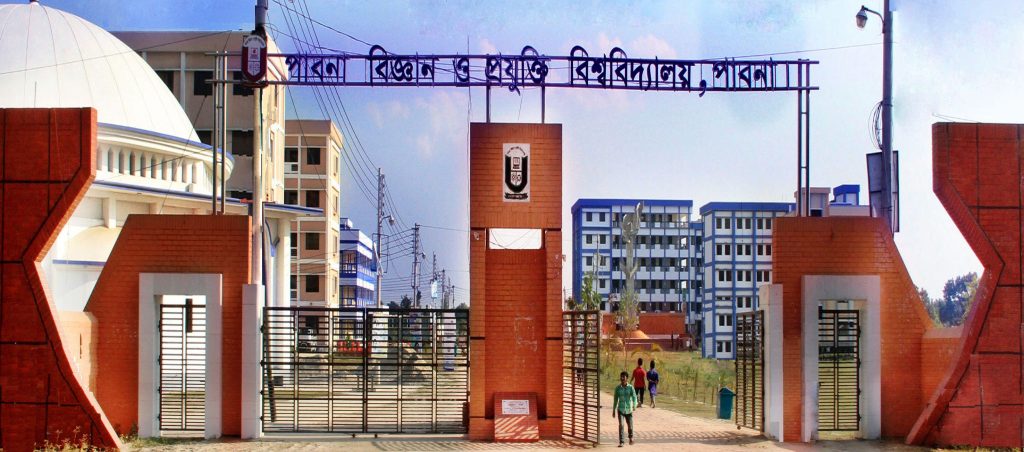
Pabna University of Science and Technology (PUST) About Pabna University of Science and Technology Pabna University of Science and Technology (PUST) is a prominent public research university located in Pabna, Bangladesh. Established in 2008, PUST is dedicated to providing high-quality education and fostering research in science, technology, and engineering fields. The university aims to develop skilled professionals and researchers who can contribute to national and global advancements. PUST offers undergraduate, postgraduate, and doctoral programs through its faculties, including Engineering, Science, Business Administration, and Arts. The university emphasizes academic excellence, innovation, and practical learning, with state-of-the-art laboratories and research facilities. It also promotes student engagement in co-curricular activities and community development. With a growing reputation for research, PUST is committed to becoming a leading institution in Bangladesh, focused on creating a knowledge-based society. Its mission includes fostering a strong culture of science and technology education, contributing to the socio-economic development of the country. Basic Info Official Name – Pabna University of Science and Technology Establish Year- 2008 Official Website Link – pust.ac.bd Official Facebook Link- Address- Pabna University of Science and Technology, Pabna Pabna University of Science and Technology Faculties, Departments Here is a table outlining the faculties and departments at Pabna University of Science and Technology (PUST): Faculty Departments Faculty of Science – Department of Mathematics – Department of Physics – Department of Chemistry – Department of Computer Science & Engineering – Department of Statistics Faculty of Engineering – Department of Civil Engineering – Department of Electrical & Electronic Engineering – Department of Mechanical Engineering – Department of Computer Science & Engineering Faculty of Business Studies – Department of Business Administration – Department of Accounting and Information Systems Faculty of Social Science – Department of Sociology – Department of Economics – Department of Political Science – Department of Law Faculty of Arts – Department of Bengali – Department of English – Department of History – Department of Philosophy Faculty of Life Science – Department of Environmental Science – Department of Biotechnology Faculty of Education – Department of Education This table provides an overview of the faculties and their respective departments at PUST. Let me know if you’d like more details! Pabna University of Science & Technology Courses, Duration, and Fees Here’s the information about Pabna University of Science & Technology (PUST) courses, duration, and fees in a table format: Faculty Programs Duration Fees (Approx.) Faculty of Science B.Sc. in Mathematics 4 years BDT 25,000 – 30,000/year B.Sc. in Physics 4 years BDT 25,000 – 30,000/year B.Sc. in Chemistry 4 years BDT 25,000 – 30,000/year B.Sc. in Computer Science & Engineering 4 years BDT 30,000 – 35,000/year B.Sc. in Statistics 4 years BDT 25,000 – 30,000/year Faculty of Engineering B.Sc. in Civil Engineering 4 years BDT 40,000 – 45,000/year B.Sc. in Electrical & Electronic Engineering 4 years BDT 40,000 – 45,000/year B.Sc. in Mechanical Engineering 4 years BDT 40,000 – 45,000/year Faculty of Business Studies BBA (Bachelor of Business Administration) 4 years BDT 30,000 – 35,000/year B.Sc. in Accounting & Information Systems 4 years BDT 30,000 – 35,000/year Faculty of Social Science BA in Sociology 4 years BDT 25,000 – 30,000/year BA in Economics 4 years BDT 25,000 – 30,000/year BA in Political Science 4 years BDT 25,000 – 30,000/year LLB (Bachelor of Law) 4 years BDT 25,000 – 30,000/year Faculty of Arts BA in Bengali 4 years BDT 25,000 – 30,000/year BA in English 4 years BDT 25,000 – 30,000/year BA in History 4 years BDT 25,000 – 30,000/year BA in Philosophy 4 years BDT 25,000 – 30,000/year Faculty of Life Science B.Sc. in Environmental Science 4 years BDT 25,000 – 30,000/year B.Sc. in Biotechnology 4 years BDT 30,000 – 35,000/year Faculty of Education B.Ed. (Bachelor of Education) 4 years BDT 25,000 – 30,000/year Postgraduate Programs M.Sc. in Mathematics 2 years BDT 30,000 – 35,000/year M.Sc. in Physics 2 years BDT 30,000 – 35,000/year M.Sc. in Chemistry 2 years BDT 30,000 – 35,000/year M.Sc. in Computer Science & Engineering 2 years BDT 35,000 – 40,000/year M.Sc. in Statistics 2 years BDT 30,000 – 35,000/year M.Sc. in Civil Engineering 2 years BDT 40,000 – 45,000/year M.Sc. in Electrical & Electronic Engineering 2 years BDT 40,000 – 45,000/year M.Sc. in Mechanical Engineering 2 years BDT 40,000 – 45,000/year MBA (Master of Business Administration) 2 years BDT 35,000 – 40,000/year M.Sc. in Accounting & Information Systems 2 years BDT 35,000 – 40,000/year MA in Sociology 2 years BDT 30,000 – 35,000/year MA in Economics 2 years BDT 30,000 – 35,000/year MA in Political Science 2 years BDT 30,000 – 35,000/year MA in Bengali 2 years BDT 30,000 – 35,000/year MA in English 2 years BDT 30,000 – 35,000/year MA in History 2 years BDT 30,000 – 35,000/year MA in Philosophy 2 years BDT 30,000 – 35,000/year Note: The fees mentioned are approximate and may vary. Additional costs for registration, exams, and accommodation may apply. The duration for undergraduate programs is typically 4 years, while for postgraduate programs it is 2 years. For more specific details or changes in fees, please refer to the official website of PUST or contact the university directly. PUST University Admission Process Here is the admission process for Pabna University of Science and Technology (PUST) presented in a table format: Step Details 1. Eligibility Criteria – Applicants must meet the minimum academic requirements for the specific program. – For undergraduate programs: Higher Secondary Certificate (HSC) or equivalent with specific subject requirements. – For postgraduate programs: Relevant undergraduate degree. 2. Application Form – Applicants need to fill out an online application form. – The form can be found on the official PUST admission portal. 3. Admission Test – For most programs, an admission test is required. – The test may include multiple-choice questions or
Sylhet Agricultural University
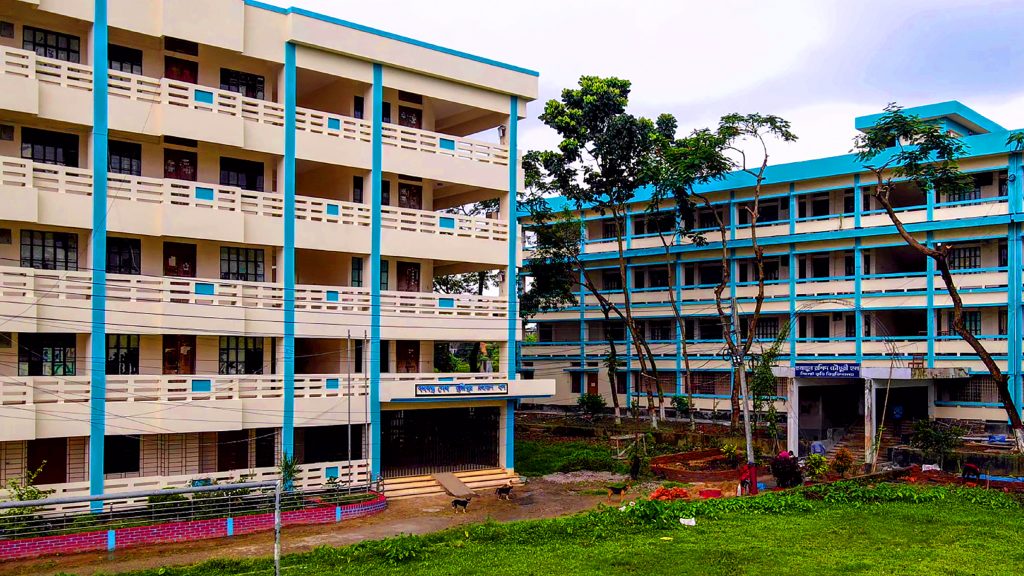
Sylhet Agricultural University About Sylhet Agricultural University Sylhet Agricultural University (SAU), located in Sylhet, Bangladesh, is a prominent institution dedicated to agricultural education, research, and development. Established in 2006, SAU plays a pivotal role in fostering innovation in agriculture, fisheries, veterinary science, and food technology, addressing the country’s growing need for agricultural advancements. The university comprises six faculties: Veterinary, Animal and Biomedical Sciences; Agriculture; Fisheries; Agricultural Economics and Business Studies; Agricultural Engineering and Technology; and Food Science and Technology. These faculties offer undergraduate and postgraduate programs, equipping students with practical knowledge and research skills. SAU is renowned for its vibrant academic environment, cutting-edge research facilities, and collaborations with national and international organizations. The university is committed to producing skilled graduates who contribute to sustainable agriculture, rural development, and food security. Located in a scenic region, SAU offers a conducive learning atmosphere for students passionate about agricultural sciences. Basic Info Official Name – Sylhet Agricultural University Establish Year- 2006 Official Website Link – www.sau.ac.bd Official Facebook Link- Address- Sylhet Agricultural University, 01 No. Eco Park Road, Tilaghor, Sylhet-3100, Bangladesh Sylhet Agricultural University Faculties, Departments Faculty Departments Faculty of Veterinary, Animal & Biomedical Sciences Anatomy and Histology, Physiology, Pathology, Pharmacology and Toxicology, Microbiology and Immunology, Parasitology, Medicine, Surgery and Theriogenology, Animal Science and Nutrition Faculty of Agriculture Agronomy, Horticulture, Soil Science, Crop Botany and Tea Production Technology, Plant Pathology, Genetics and Plant Breeding, Agricultural Extension Education, Entomology Faculty of Fisheries Aquaculture, Fish Biology and Genetics, Fisheries Resource Management, Aquatic Environment and Climate Resilience, Fish Processing and Quality Control Faculty of Agricultural Economics & Business Studies Agricultural Economics, Agricultural Statistics, Agribusiness Management, Rural Sociology Faculty of Agricultural Engineering & Technology Farm Power and Machinery, Irrigation and Water Management, Food Engineering and Technology, Computer Science and Mathematics Faculty of Food Science & Technology Food Chemistry and Quality Assurance, Food Microbiology, Food Processing and Preservation, Nutrition and Food Science This tabular format provides a concise overview of SAU’s faculties and their respective departments. Sylhet Agricultural University Courses, Duration, and Fees Program Duration Approximate Fees (BDT) Bachelor of Science in Agriculture (B.Sc. Ag.) 4 years 25,000 – 30,000 (per semester) Bachelor of Science in Veterinary Science & Animal Husbandry (DVM) 5 years 30,000 – 35,000 (per semester) Bachelor of Science in Fisheries (B.Sc. Fisheries) 4 years 25,000 – 30,000 (per semester) Bachelor of Science in Agricultural Economics (B.Sc. Ag. Econ.) 4 years 25,000 – 30,000 (per semester) Bachelor of Science in Agricultural Engineering & Technology (B.Sc. Agri. Engg.) 4 years 25,000 – 30,000 (per semester) Bachelor of Science in Food Science & Technology (B.Sc. FST) 4 years 25,000 – 30,000 (per semester) Master’s Programs (Various Disciplines) 1.5 – 2 years 30,000 – 40,000 (per semester) Ph.D. Programs (Various Disciplines) 3-4 years 40,000 – 50,000 (per semester) Notes: Fees are indicative and may vary depending on government policy and program specifics. Undergraduate programs include lab, research, and practical fees, which may slightly adjust the total cost. SAU provides scholarships and financial aid to eligible students to reduce costs. This table offers a clear and concise overview of the courses, duration, and fees at SAU. For precise details, visiting the university’s official website or contacting the administration is recommended. Sylhet Agricultural University Admission Process Sylhet Agricultural University (SAU) conducts its admission process as part of a centralized system for public agricultural universities in Bangladesh, under the Bangladesh Agricultural Universities Association (BAUA). Here are the key steps: 1. Eligibility Criteria Academic Requirements: Minimum GPA of 4.00 in both SSC and HSC. Must have a science background with Biology, Chemistry, Physics, and Mathematics. Additional Criteria: Set by BAUA, which may vary slightly each year. 2. Admission Test A unified admission test is conducted for all agricultural universities. The test covers subjects such as Biology, Chemistry, Physics, Mathematics, and English. 3. Application Process Apply online through the BAUA admission portal. Submit necessary documents, including academic certificates, transcripts, and photographs. Pay the application fee (approximately BDT 1,000 – 1,200) online. 4. Selection Criteria Admission is based on a merit score calculated as follows: Admission test results: 60% HSC results: 25% SSC results: 15% 5. Admission Confirmation Shortlisted candidates must pay the admission fee to confirm their seat. Original documents are verified at the university during the admission process. 6. Session Start The academic session typically begins in January/February each year. Important Notes Candidates are advised to stay updated via the official BAUA or SAU website for application deadlines, test dates, and detailed instructions. Scholarships and financial aid are available for eligible students. This streamlined admission process ensures fairness and transparency for all applicants. Sylhet Agricultural University Campus Facilities Library Laboratories Hostel Computer Lab Auditorium Play Ground Medical Cultural Green Environment Transport Key Points Sylhet Agricultural University Admission FAQs Sylhet Agricultural University Admission Table of Contents Related Post
Chittagong Veterinary and Animal Sciences University
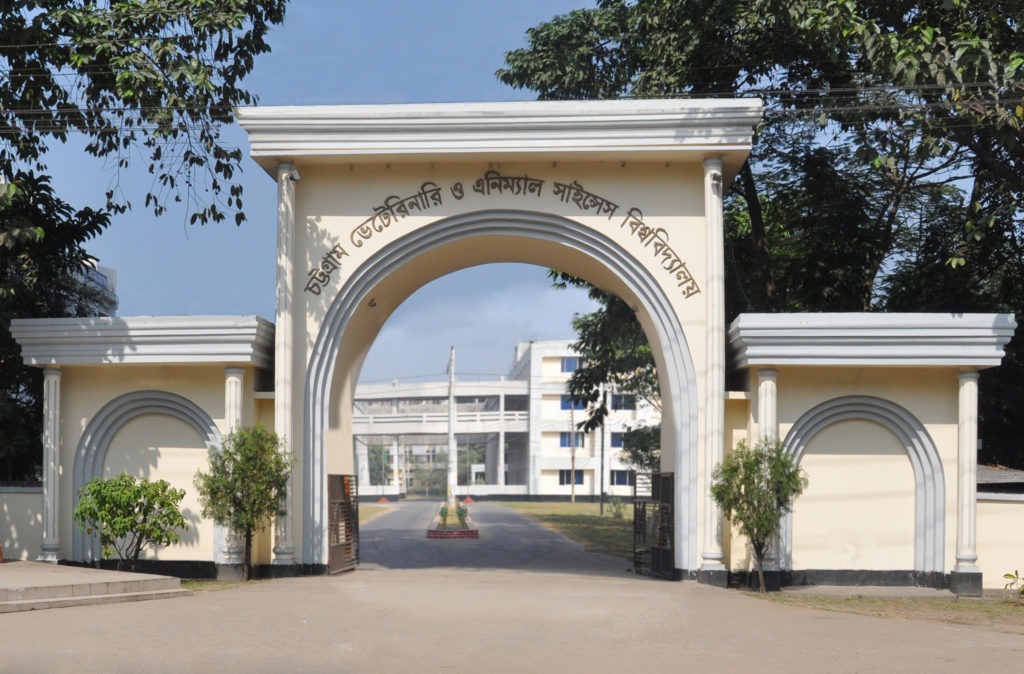
Chittagong Veterinary and Animal Sciences University Chittagong Veterinary and Animal Sciences University About Chittagong Veterinary and Animal Sciences University (CVASU) is a leading public university in Bangladesh dedicated to advancing veterinary education, research, and services. Established in 2006 in Chattogram, CVASU plays a vital role in addressing the challenges in animal health, welfare, and production. The university offers undergraduate, postgraduate, and doctoral programs in Veterinary Medicine, Food Science, and Fisheries, blending academic excellence with practical training. Its state-of-the-art facilities include animal hospitals, diagnostic labs, research farms, and modern classrooms, ensuring students gain hands-on experience and develop industry-relevant skills. CVASU is committed to sustainable development through innovations in animal sciences, aquaculture, and public health. It actively engages in research, extension services, and collaborations with national and international institutions. With its focus on quality education, research excellence, and societal impact, CVASU prepares students to contribute significantly to the veterinary and agricultural sectors in Bangladesh and beyond. Basic Info Official Name – Chittagong Veterinary and Animal Sciences University Establish Year- 2006 Official Website Link – cvasu.ac.bd Official Facebook Link- Address- Khulshi, 4225, Chittagong Chittagong Veterinary and Animal Sciences University (CVASU): Faculties and Departments Faculty Departments Faculty of Veterinary Medicine (FVM) – Department of Anatomy and Histology – Department of Physiology, Biochemistry, and Pharmacology – Department of Pathology and Parasitology – Department of Medicine and Surgery – Department of Microbiology and Veterinary Public Health – Department of Animal Science and Nutrition Faculty of Food Science and Technology (FFST) – Department of Applied Chemistry and Chemical Technology – Department of Food Processing and Engineering – Department of Food Microbiology – Department of Food Safety and Quality Management Faculty of Fisheries – Department of Aquaculture – Department of Fisheries Biology and Genetics – Department of Marine Bio-Resources Science – Department of Fish Processing and Quality Control These faculties and their respective departments form the core academic structure of CVASU, offering specialized programs in veterinary science, food science, and fisheries. Chittagong Veterinary and Animal Sciences University (CVASU): Courses, Duration, and Fees Course Duration Fees (Approx.) Undergraduate Courses Bachelor of Veterinary Science (BVSc & AH) 5 years (including 1-year internship) – Admission Fee: BDT 15,000–20,000 – Tuition Fee: BDT 15,000–20,000 per semester – Laboratory Fees: BDT 2,000–3,000 per semester – Hostel Fees: BDT 1,500–2,000 per semester Bachelor of Science in Food Science & Technology (BSc FST) 4 years – Admission Fee: BDT 15,000–20,000 – Tuition Fee: BDT 12,000–15,000 per semester – Laboratory Fees: BDT 2,000–3,000 per semester – Hostel Fees: BDT 1,500–2,000 per semester Bachelor of Science in Fisheries (BSc Fisheries) 4 years – Admission Fee: BDT 15,000–20,000 – Tuition Fee: BDT 12,000–15,000 per semester – Laboratory Fees: BDT 2,000–3,000 per semester – Hostel Fees: BDT 1,500–2,000 per semester Postgraduate Courses Master of Science (MSc) in Veterinary Sciences 1.5–2 years – Admission Fee: BDT 20,000–25,000 – Tuition Fee: BDT 10,000–15,000 per semester Master of Science (MSc) in Food Science 1.5–2 years – Admission Fee: BDT 20,000–25,000 – Tuition Fee: BDT 10,000–15,000 per semester Master of Science (MSc) in Fisheries 1.5–2 years – Admission Fee: BDT 20,000–25,000 – Tuition Fee: BDT 10,000–15,000 per semester PhD Courses PhD in Veterinary Sciences 3–5 years – Research Fee: BDT 50,000–70,000 annually PhD in Food Science 3–5 years – Research Fee: BDT 50,000–70,000 annually PhD in Fisheries 3–5 years – Research Fee: BDT 50,000–70,000 annually Additional Costs Application Fee: Approximately BDT 1,000 (paid via mobile banking). Examination Fees: Varies depending on the course and semester. CVASU offers a comprehensive academic experience with practical training and research opportunities, all at affordable rates for students in veterinary, food science, and fisheries disciplines. CVASU University Admission Process Stage Details Eligibility Criteria Undergraduate: – SSC & HSC (or equivalent) with minimum GPA requirements: – Science Group: Combined GPA of 8.00. Postgraduate: – Bachelor’s degree in a relevant field with a minimum CGPA of 2.50 out of 4.00. – PhD candidates must have a master’s degree and research experience. Application Process – Visit the official admission portal: cvasu.ac.bd. – Complete the online application form. – Pay the application fee (Approx. BDT 1,000) via mobile banking (bKash, Nagad, Rocket). Admission Test – Unit-based written exam covering Science (Physics, Chemistry, Biology, Mathematics), English, and General Knowledge. – Postgraduate candidates may also need an interview or research proposal presentation. Merit List – Based on combined scores from SSC, HSC, and the admission test. – Separate lists for quotas (freedom fighters, indigenous, etc.). Enrollment – Shortlisted candidates verify documents, pay the admission fee, and complete registration. Important Dates – Admission Circular: October–November. – Application Deadline: 2–3 weeks after the circular. – Admission Tests: November–December. Required Documents – Academic certificates (SSC, HSC, or equivalent). – Mark sheets/transcripts. – Recent passport-sized photos. – National ID card or birth certificate. – Payment receipt for application fee. Quota System – Reserved seats for freedom fighter descendants, indigenous students, and physically challenged individuals. Tips for Success Prepare thoroughly for unit-specific admission tests. Ensure all documents are accurate and submitted on time. Regularly check the CVASU website for updates and notices. CVASU University Campus Facilities Library Laboratories Hostel Computer Lab Auditorium Play Ground Medical Cultural Green Environment Transport Key Points CVASU University Admission FAQs CVASU University Admission Table of Contents Related Post
Jatiya Kabi Kazi Nazrul Islam University
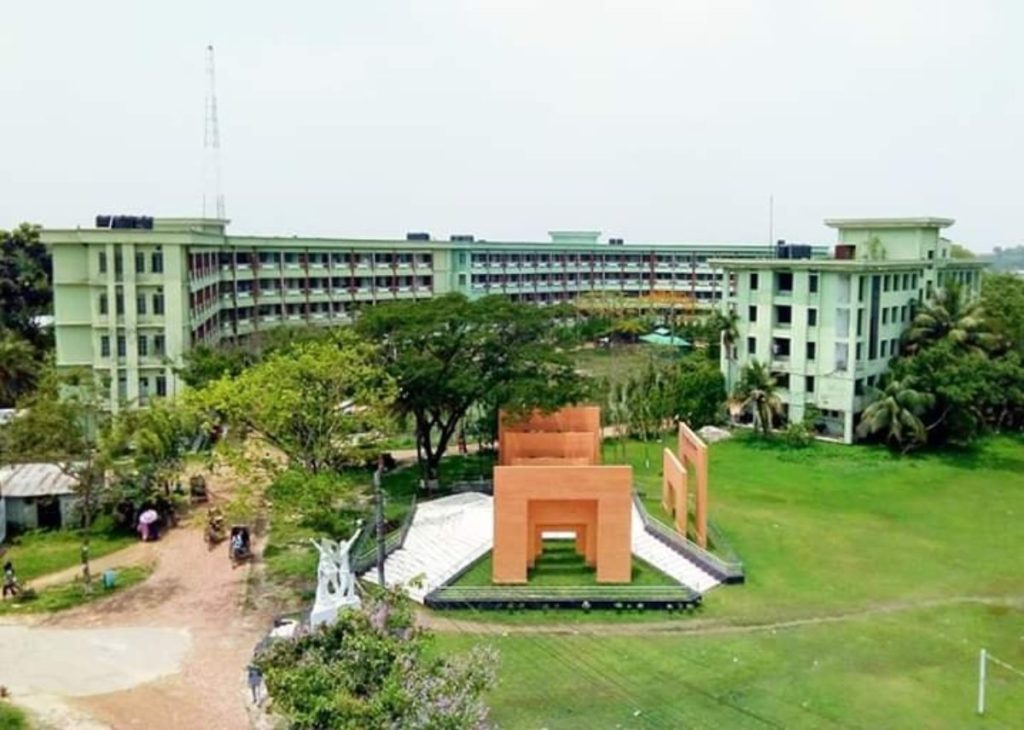
Jatiya Kabi Kazi Nazrul Islam University Jatiya Kabi Kazi Nazrul Islam University About Jatiya Kabi Kazi Nazrul Islam University (JKKNIU), located in Trishal, Mymensingh, is a premier public university in Bangladesh named after the country’s national poet, Kazi Nazrul Islam. Established in 2006, the university is dedicated to fostering creativity, innovation, and intellectual growth in alignment with the poet’s legacy of cultural and educational enrichment. JKKNIU offers undergraduate, postgraduate, and doctoral programs across diverse disciplines, including Arts, Social Science, Science, Business, and Engineering. With a picturesque campus surrounded by greenery, the university provides a vibrant and inspiring environment for academic and extracurricular activities. Equipped with modern facilities like well-furnished classrooms, laboratories, libraries, and ICT support, JKKNIU emphasizes both academic excellence and holistic development. The university also encourages cultural and social engagement through various clubs and events. JKKNIU remains committed to nurturing future leaders and professionals while preserving the spirit of Nazrul’s humanism and inclusivity. Basic Info Official Name – Jatiya Kabi Kazi Nazrul Islam University Establish Year- 2006 Official Website Link – jkkniu.edu.bd Official Facebook Link- Address – Trishal, Mymensingh, Bangladesh JKKNIU University Faculties, Departments, Courses, Duration, and Fees Jatiya Kabi Kazi Nazrul Islam University (JKKNIU) offers a diverse range of academic programs through its well-structured faculties and departments. Below is an overview of the faculties, departments, courses, duration, and fee structure. Faculties and Departments 1. Faculty of Arts Departments: Bangla English Language and Literature Music Fine Arts Theatre and Performance Studies 2. Faculty of Social Science Departments: Economics Public Administration and Governance Studies Folklore Sociology 3. Faculty of Business Studies Departments: Management Accounting and Information Systems Marketing Finance and Banking 4. Faculty of Science and Engineering Departments: Computer Science and Engineering (CSE) Electrical and Electronic Engineering (EEE) Environmental Science and Engineering Mathematics Statistics 5. Faculty of Law Departments: Law and Justice Courses and Duration Undergraduate Programs Degrees Offered: BA, BSS, BBA, BSc, and BFA (Fine Arts) Duration: 4 years (8 semesters) Popular Courses: BA in Bangla or English BSS in Economics, Sociology BBA in Finance or Marketing BSc in CSE, EEE Postgraduate Programs Degrees Offered: MA, MSS, MBA, MSc, and LLM Duration: 1–2 years (2–4 semesters) Popular Programs: MA in English or Bangla MBA in Business Administration MSc in Computer Science or Mathematics PhD Programs Duration: 3–5 years Fields Available: Research-based programs are offered in selected disciplines like Arts, Social Sciences, and Science. Fee Structure Undergraduate Programs Admission Fee: Approximately BDT 6,000–8,000 (one-time). Semester Tuition Fee: Arts and Social Sciences: Around BDT 2,500–3,000 per semester. Science and Engineering: Around BDT 3,500–5,000 per semester. Business Studies and Law: Around BDT 4,000–6,000 per semester. Postgraduate Programs Admission Fee: Around BDT 10,000 (one-time). Tuition Fee: BDT 3,000–5,000 per semester for general disciplines. BDT 6,000–8,000 per semester for professional disciplines (e.g., MBA). PhD Programs Research Fee: Approximately BDT 50,000–60,000 annually. Additional Fees Examination Fee: BDT 1,000–1,500 per semester. Hostel Fee: BDT 1,500–2,000 per semester (excluding food). Facilities and Highlights Scholarships and Financial Aid: Merit-based and need-based scholarships for deserving students. Stipends for underprivileged and quota students. Modern Amenities: Advanced laboratories, libraries, and ICT resources for academic and research purposes. State-of-the-art facilities for arts, music, and performance studies. Cultural and Extracurricular Opportunities: Numerous student clubs for cultural, academic, and social activities. Regularly organized events such as cultural programs and academic seminars. Residential Facilities: On-campus dormitories for male and female students. JKKNIU combines affordability, academic excellence, and cultural enrichment, making it a prominent institution for students pursuing higher education in Bangladesh. With its wide array of faculties and affordable fee structure, the university aims to nurture future leaders and innovators. JKKNIU University Admission Process Jatiya Kabi Kazi Nazrul Islam University (JKKNIU) follows a structured and competitive admission process to enroll students in undergraduate, postgraduate, and doctoral programs. Here’s a detailed overview of the process: Undergraduate Admission Process Eligibility Criteria Educational Requirements: Completion of SSC (or equivalent) and HSC (or equivalent) exams. Minimum GPA Requirements (including optional subjects): Science Group: Minimum combined GPA of 8.00 in SSC and HSC. Humanities and Business Groups: Minimum combined GPA of 7.00. Unit-Specific Requirements: Unit A (Science & Engineering): Must have studied Physics, Chemistry, and Mathematics at HSC level. Unit B (Arts & Humanities): Open to humanities students. Unit C (Social Science): Requires HSC in any discipline. Unit D (Business Studies): Must have studied Business-related subjects at HSC. Application Process Online Application: Visit the official admission portal of JKKNIU (admission.jkkniu.edu.bd). Complete the online form with personal and academic details. Application Fee: Approximately BDT 700–1,000 per unit, payable via mobile banking platforms like bKash, Nagad, or Rocket. Admission Test: The university conducts unit-based admission tests. Exam subjects typically align with HSC-level knowledge and include topics like Bangla, English, General Knowledge, and Science or Business-related subjects. Merit List: The merit list is based on the combined scores of SSC, HSC, and the admission test. Quota applicants (e.g., freedom fighter descendants, indigenous groups) are ranked in a separate merit list. Enrollment: Selected candidates must verify their documents, pay the admission fee, and complete the enrollment process. Postgraduate Admission Process Eligibility Criteria Master’s Programs: A relevant bachelor’s degree from a recognized institution. Minimum CGPA of 2.50 out of 4.00 or equivalent. PhD Programs: A master’s degree in a related field. Research experience or publications are often required. Application Process Application Submission: Obtain the application form from the university website or admission office. Submit the completed form with required documents, such as transcripts and a statement of purpose. Entrance Exam or Interview: Master’s candidates may need to take a written test. PhD candidates typically present a research proposal during an interview. Selection and Enrollment: Shortlisted candidates must complete the enrollment process by submitting documents and paying tuition fees. Important Dates Undergraduate Admission Circular: Released in August or September. Application Deadline: Usually 2–3 weeks after the announcement. Admission Tests: Conducted in October or November. Postgraduate Admissions: Usually open in January and July. Required Documents for Admission Academic certificates (SSC, HSC, or equivalent). Mark sheets/transcripts. Recent passport-sized photographs. National ID card or birth certificate. Payment receipt
Noakhali Science & Technology University (NSTU) – Admission
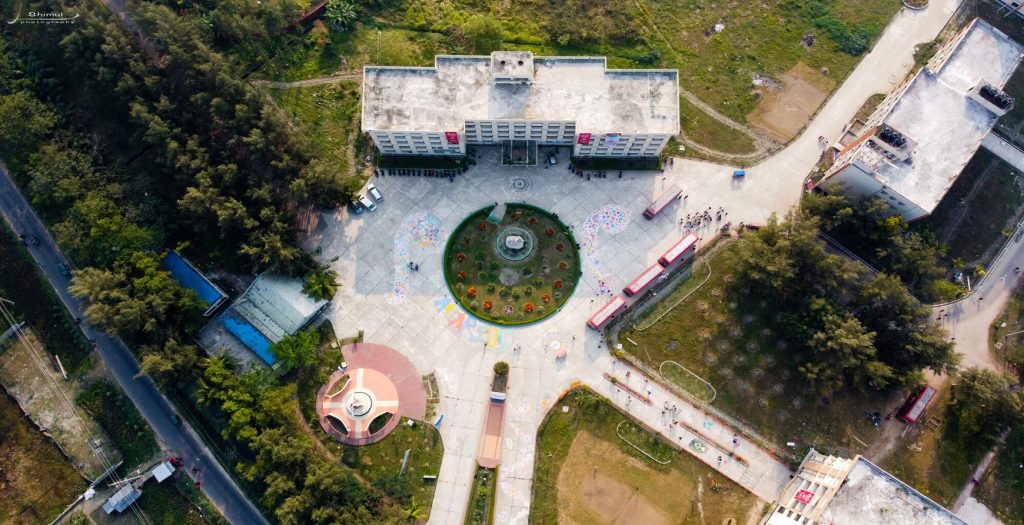
Noakhali Science & Technology University (NSTU) About Noakhali Science & Technology University Noakhali Science and Technology University (NSTU), located in the scenic coastal region of Noakhali, Bangladesh, is a prominent public university dedicated to advancing education, research, and innovation. Established in 2001, NSTU has quickly gained recognition for its focus on science, technology, and interdisciplinary learning. The university offers a wide range of undergraduate, postgraduate, and doctoral programs across its multiple faculties, including Science, Engineering, Business Studies, Social Science, and Life Sciences. With modern facilities, well-equipped laboratories, a rich library, and a commitment to academic excellence, NSTU provides an environment conducive to holistic student development. NSTU is also engaged in cutting-edge research, promoting sustainable development and addressing regional and global challenges. The university emphasizes community engagement and industry collaboration, ensuring graduates are equipped with both theoretical knowledge and practical skills. Its vibrant campus life and dedication to innovation make NSTU a leading institution in higher education. Basic Info Official Name – Noakhali Science & Technology University Establish Year- 2001 Official Website Link – nstu.edu.bd Official Facebook Link- Address- Sonapur Road, Noakhali 3814 NSTU University Faculties, Departments, Courses, Duration, and Fees Noakhali Science and Technology University (NSTU) is a multidisciplinary public university offering quality education across various fields of study. Below is a detailed overview of its faculties, departments, courses, duration, and fee structure. Faculties and Departments NSTU has several faculties, each with specialized departments offering undergraduate and postgraduate programs. 1. Faculty of Science Departments: Mathematics Statistics Physics Chemistry Environmental Science and Disaster Management 2. Faculty of Engineering and Technology Departments: Computer Science and Telecommunication Engineering (CSTE) Information and Communication Engineering (ICE) Applied Chemistry and Chemical Engineering (ACCE) Electrical and Electronic Engineering (EEE) 3. Faculty of Life Sciences Departments: Biotechnology and Genetic Engineering (BGE) Microbiology Fisheries and Marine Science (FIMS) Biochemistry and Molecular Biology (BMB) 4. Faculty of Business Studies Departments: Business Administration Tourism and Hospitality Management 5. Faculty of Social Science and Humanities Departments: Economics Sociology English 6. Faculty of Education Sciences Departments: Educational Administration Courses and Duration Undergraduate Programs Degree Offered: Bachelor’s (e.g., BSc, BBA, BA) Duration: 4 years (8 semesters) Programs Include: BSc in Computer Science and Telecommunication Engineering BSc in Fisheries and Marine Science Bachelor of Business Administration (BBA) Postgraduate Programs Degree Offered: Master’s (e.g., MSc, MBA, MA) Duration: 1–2 years (2–4 semesters) Programs Include: MSc in Biotechnology and Genetic Engineering MBA in Business Administration Doctoral Programs Degree Offered: Doctor of Philosophy (PhD) Duration: 3–5 years Fields: Research-oriented fields like Life Sciences, Engineering, and Social Sciences. Fee Structure NSTU, as a public university, offers affordable education. Here’s an estimate of the costs: Undergraduate Programs Admission Fee: Approximately BDT 10,000–12,000 (one-time). Tuition Fee: BDT 1,500–3,000 per semester, depending on the department. Lab/Practical Fees: Additional charges of BDT 1,000–2,000 per semester for science and engineering courses. Postgraduate Programs Admission Fee: Around BDT 15,000–20,000 (one-time). Tuition Fee: BDT 4,000–6,000 per semester for master’s programs. PhD Programs Annual Research Fee: Around BDT 40,000–60,000, depending on the research field. Hostel Fees Accommodation charges: BDT 1,500–2,500 per semester. Mess charges: Approximately BDT 3,000–4,000 per month. Key Features Scholarships: Merit-based and need-based financial aid for deserving students. Modern Infrastructure: Advanced laboratories, library resources, and ICT facilities. Interdisciplinary Approach: Encourages collaboration across faculties for holistic learning. Research Opportunities: Cutting-edge research in biotechnology, marine science, and disaster management. NSTU’s robust academic offerings, affordable fees, and focus on innovation make it a leading choice for students across Bangladesh. NSTU University Admission Process The admission process at NSTU is competitive and follows the guidelines set by the university and the University Grants Commission (UGC) of Bangladesh. Below is a step-by-step guide for undergraduate and postgraduate admissions. Undergraduate Admission Process Eligibility Criteria Academic Requirements: Candidates must have passed SSC (or equivalent) and HSC (or equivalent) exams. Minimum GPA requirements: GPA 4.00 (out of 5.00) in SSC and HSC individually, with a total GPA of at least 8.00 (including optional subjects). For science group applicants: At least GPA 4.00 in Mathematics, Physics, Chemistry, and Biology (as applicable). Group-Specific Requirements: Science students can apply to all faculties. Commerce and Humanities students are eligible for specific programs such as Business Administration, Economics, or English. Application Process Online Application: Visit the official NSTU admission portal (www.nstu.edu.bd). Register using a valid mobile number and email address. Fill in personal details, academic qualifications, and desired program preferences. Application Fee: Pay the non-refundable application fee (approximately BDT 1,000–1,200) through mobile banking services like bKash, Rocket, or Nagad. Admission Test: NSTU conducts a written admission test categorized into groups (A, B, C, etc.) based on faculties. Test subjects include Mathematics, Physics, Chemistry, Biology, English, and General Knowledge, depending on the faculty. Total marks and time duration vary by group. Merit List and Selection: A merit list is prepared based on the admission test score. Separate merit lists for quota categories (e.g., freedom fighter, indigenous students, disabled students) are published. Final Admission: Selected candidates must appear in person with original documents (certificates, transcripts, photographs) and complete the admission process by paying the required fees. Postgraduate Admission Process Eligibility Criteria Master’s Programs: A relevant bachelor’s degree with a minimum CGPA of 2.50 (out of 4.00) or equivalent. Specific departments may require subject prerequisites or additional qualifications. PhD Programs: A relevant master’s degree with strong academic and research credentials. Application Process Application Form: Obtain the application form from the NSTU website or admission office. Fill in details and submit with required documents, including transcripts, certificates, and research proposals (for PhD candidates). Admission Test/Interview: Master’s candidates may need to take a written test. PhD candidates are usually interviewed and required to present a research proposal. Admission Confirmation: Selected candidates must complete the admission process by paying the fees and submitting original documents. Important Dates Undergraduate Admission Circular: Released in September–October annually. Application Deadline: Typically 2–3 weeks after the announcement. Admission Test: Conducted in November–December. Postgraduate Admission Circular: Published twice a year (January and July). Quota System NSTU reserves a percentage of seats for specific groups, including: Children of freedom fighters.
Dhaka University of Engineering & Technology (DUET) – Admission, Result, Notice, Fee & Facilities
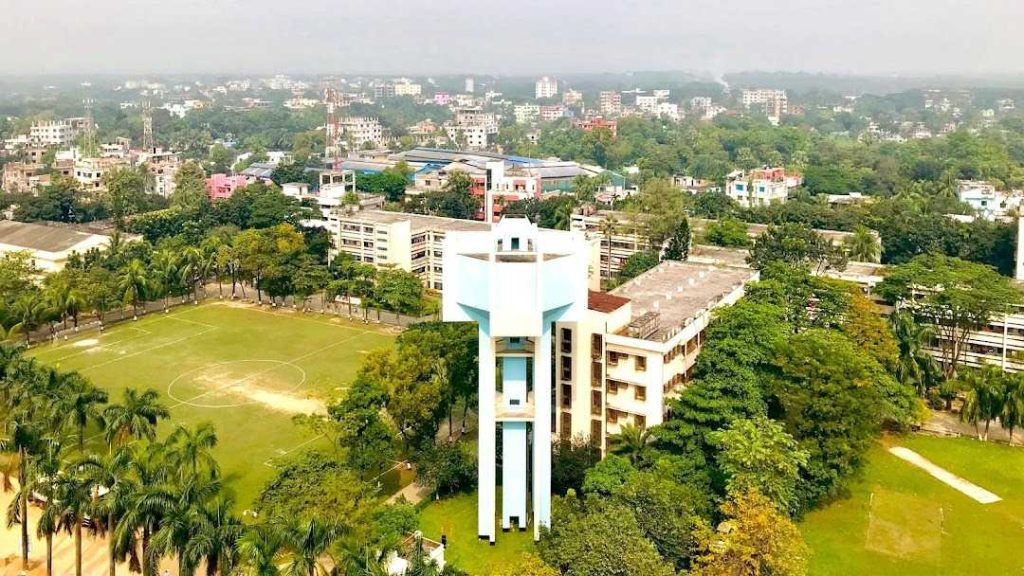
Dhaka University of Engineering & Technology (DUET) Dhaka University of Engineering & Technology About Dhaka University of Engineering & Technology (DUET), located in Gazipur, is one of the premier public engineering universities in Bangladesh. Originally established as a college in 1980, it was upgraded to a university in 2000. DUET specializes in providing higher education and research opportunities exclusively for diploma engineers, making it a unique institution in the country. The university offers undergraduate, postgraduate, and doctoral programs in various engineering and technology disciplines, including Civil, Mechanical, Electrical, and Computer Science Engineering. DUET is committed to fostering innovation, research excellence, and technical expertise, catering to the needs of both the national and global workforce. Spread across a well-designed campus, DUET features modern classrooms, state-of-the-art laboratories, a rich central library, and research facilities. Its emphasis on practical knowledge and industry collaboration ensures that graduates are highly skilled and competitive in their respective fields, contributing significantly to the development of the engineering sector in Bangladesh. Basic Info Official Name – Dhaka University of Engineering & Technology Establish Year- 2000 Official Website Link – www.duet.ac.bd Official Facebook Link- Address- Dhaka University of Engineering & Technology, Gazipur, Gazipur-1707, Bangladesh DUET University Faculties, Departments, Courses, Duration, and Fees DUET is a specialized public engineering university in Bangladesh, offering academic programs tailored for diploma engineers seeking higher education. Below is a detailed overview of the university’s faculties, departments, courses, durations, and fee structures. Faculties and Departments DUET is organized into several faculties, each offering diverse engineering and technology disciplines: Faculty of Civil Engineering Departments: Civil Engineering (CE) Architecture (Arch) Faculty of Electrical and Electronic Engineering Departments: Electrical and Electronic Engineering (EEE) Computer Science and Engineering (CSE) Electronics and Communication Engineering (ECE) Faculty of Mechanical Engineering Departments: Mechanical Engineering (ME) Textile Engineering (TE) Industrial and Production Engineering (IPE) Faculty of Engineering and Applied Science Departments: Chemical and Food Engineering (CFE) Materials and Metallurgical Engineering (MME) Courses and Duration Undergraduate Programs Degree Offered: Bachelor of Science in Engineering (BSc Engg) Duration: 4 years (8 semesters) Entry Requirements: Diploma in a related engineering field with a minimum CGPA of 3.00 (out of 4.00). Competitive admission test. Departments: Civil Engineering, Electrical and Electronic Engineering, Mechanical Engineering, and others. Postgraduate Programs Degrees Offered: Master of Science in Engineering (MSc Engg) Master of Engineering (MEng) Master of Philosophy (MPhil) Duration: 1–2 years Eligibility: A relevant Bachelor’s degree with a minimum CGPA of 2.50 (out of 4.00). Doctoral Programs Degree Offered: Doctor of Philosophy (PhD) Duration: 3–5 years, depending on the research. Eligibility: A Master’s degree in a relevant field. Fee Structure DUET is a public university offering affordable education, making it accessible to students from various economic backgrounds. Undergraduate Programs Admission Fee: Approximately BDT 10,000–15,000 (one-time). Tuition Fee: BDT 3,000–5,000 per semester. Other Fees: Examination fees, library fees, and lab fees: BDT 2,000–3,500 per semester. Postgraduate Programs Admission Fee: Around BDT 20,000–25,000 (one-time). Tuition Fee: BDT 5,000–7,000 per semester. PhD Programs Annual Research Fee: BDT 50,000–70,000, depending on the research topic. Additional Charges: Thesis submission and viva fees. Hostel Fees Accommodation Fee: BDT 1,500–2,000 per semester. Mess Charges: Based on actual expenses, typically BDT 2,500–4,000 per month. Key Features of DUET Practical Learning Environment: Focus on hands-on training and industry-relevant skills. Modern Infrastructure: Advanced laboratories, computer facilities, and research centers. Scholarships: Merit-based scholarships and financial aid for deserving students. Collaboration with Industry: Strong ties with industries to ensure graduates meet professional demands. DUET stands out for its unique approach to higher education, exclusively designed for diploma engineers, providing them with advanced skills and opportunities for career advancement. DUET University Admission Process DUET is one of the most sought-after universities for diploma engineers aspiring to pursue higher education in engineering and technology. The admission process is competitive, merit-based, and involves several stages to ensure only the best candidates are selected. Undergraduate Admission Process Eligibility Criteria Academic Requirements: Candidates must have completed a 4-year Diploma in Engineering or an equivalent diploma from an institution recognized by the Bangladesh Technical Education Board (BTEB). A minimum CGPA of 3.00 (out of 4.00) in the diploma is required. Additional Requirements: Must meet specific subject prerequisites relevant to the department applied for. No more than a 5-year gap between completing the diploma and applying for admission. Application Procedure Online Application: Visit the official DUET admission portal (www.duet.ac.bd). Fill out the application form with personal, academic, and other required information. Upload necessary documents, including scanned copies of the diploma certificate, transcripts, and a passport-sized photograph. Application Fee: Pay the non-refundable application fee (approximately BDT 1,500–2,000) via mobile banking or designated banks. Admission Test: Test Format: Multiple-choice questions (MCQs) covering Mathematics, Physics, Chemistry, and English. The exam evaluates problem-solving skills and technical knowledge relevant to engineering disciplines. Total marks and time duration vary depending on the department. Merit List: Based on admission test scores, a merit list is published. Special quotas are available for freedom fighters’ children, indigenous students, and candidates with disabilities. Final Admission: Selected candidates must complete the admission formalities by submitting original documents and paying the required fees. Postgraduate Admission Process DUET offers master’s and doctoral programs for graduates seeking advanced education in engineering and research. Eligibility Criteria Master’s Programs: Bachelor’s degree in a relevant field with a minimum CGPA of 2.50 (out of 4.00) or equivalent. PhD Programs: A master’s degree in a relevant discipline. In exceptional cases, candidates with excellent academic records may directly enroll in a PhD program after a bachelor’s degree. Application Procedure Application Form: Download the application form from DUET’s website or collect it from the university. Complete and submit the form along with academic transcripts, certificates, a research proposal (for PhD), and other necessary documents. Admission Test/Interview: Master’s applicants may need to take a written test. PhD candidates typically undergo an interview and present their research proposals. Admission Confirmation: After selection, candidates must pay the admission fees and submit original documents. Important Dates Undergraduate Admission Circular: Released in May-June annually. Application Deadline: Typically 2–3 weeks after the announcement. Admission Test: